
When Memes Get Lost in Translation: Why Smart Subtitling Matters More Than Ever
Humor travels poorly.
One moment a line lands perfectly on Douyin or TikTok in Shanghai — sharp, self-aware, perfectly timed — and the next it’s flat or outright confusing when it hits viewers in Los Angeles, London, or São Paulo. The culprit is rarely the translator’s vocabulary; it’s almost always the failure to transcreate rather than translate.
Take a classic internet meme format: the reaction image paired with deadpan text like “when you realize the group chat is just silent judgment.” Literal word-for-word rendering into another language usually kills the joke. Native speakers don’t laugh at dictionary equivalents; they laugh at something that feels the same in their cultural wiring. That’s where transcreation steps in — rewriting the intent so the punchline survives the border crossing.
Real example: Netflix’s Squid Game subtitles drew sharp criticism in 2021 when certain nuances — especially around class-coded language and subtle sarcasm — got sanded down into bland, generic English. TikTok creator Youngmi Mayer went viral pointing out dozens of lines that lost their bite or shifted tone completely. Viewers felt the emotional flatness even if they couldn’t always articulate why. Small moments like that erode trust in the entire viewing experience.
Games face the same tightrope. RPGs and live-service titles are packed with internet-born slang, regional humor, and meta references. A direct translation of “skill issue” or “ratio’d” into another language often lands as gibberish. Localization teams that succeed treat these as cultural梗 (gěng) — they find the closest emotional and social equivalent rather than the literal phrase. When they don’t, communities quickly turn the mistake into its own meme, and suddenly the studio is the punchline.
Then there’s the visual side. Nothing frustrates viewers faster than subtitles that eat the screen. Overly long lines, three or four rows stacked on top of each other, or fonts so large they cover critical action — these aren’t just annoying; they actively drive people away.
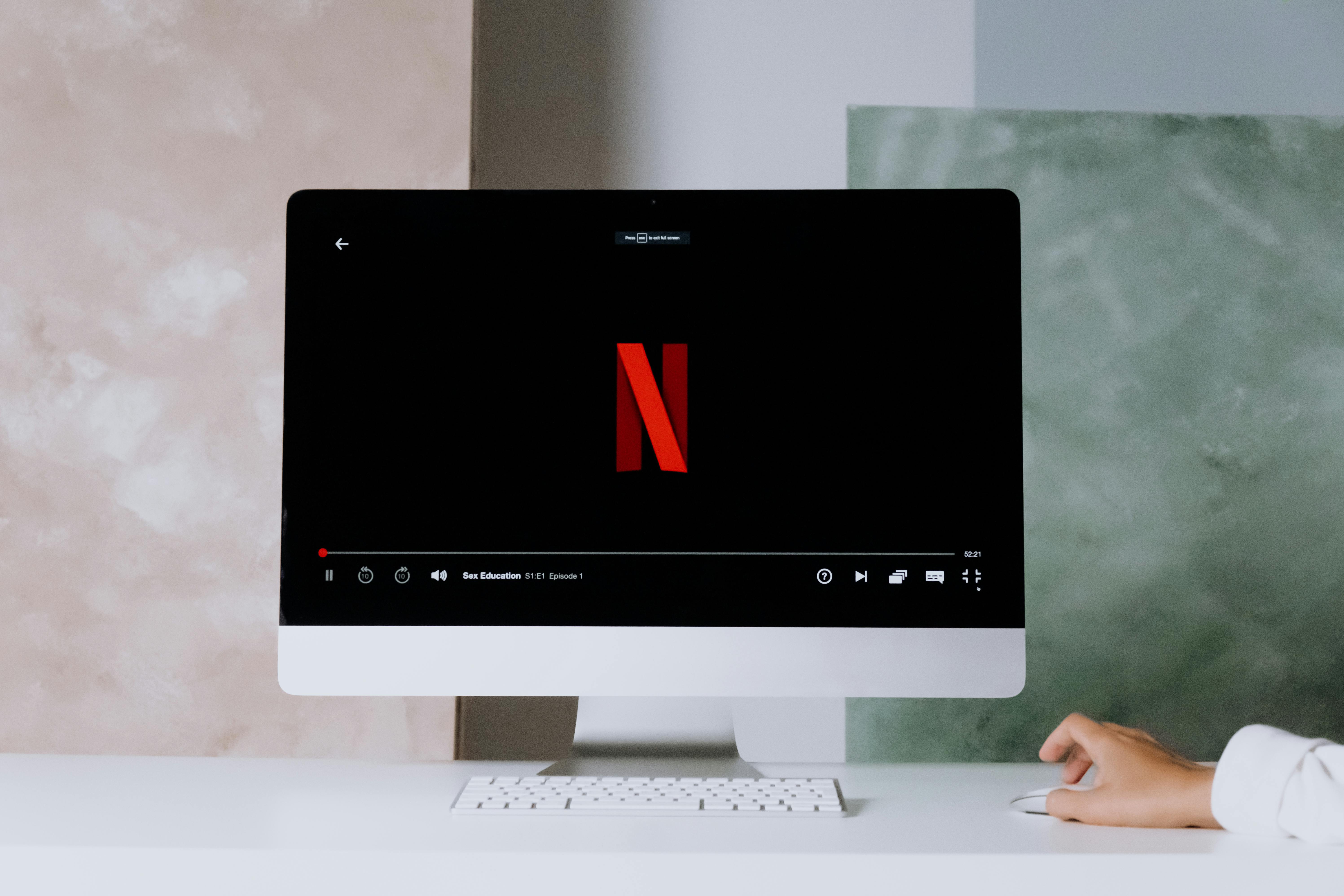
Netflix enforces strict rules for a reason: maximum 42 characters per line (for most languages), subtitles capped at two lines, and display time between roughly 5/6 of a second minimum and 7 seconds maximum per event. These aren’t arbitrary; they’re built from years of eye-tracking studies and viewer feedback showing when text becomes a distraction instead of a help. YouTube doesn’t impose hard limits, but best practices mirror Netflix closely — especially for Shorts, where cramped captions destroy retention.
And speaking of retention: captions aren’t optional anymore. Studies consistently show subtitled videos hold attention far longer. One widely cited figure is that viewers are up to 40% more likely to watch content to completion when captions are present (PLYMedia research still referenced in 2025 discussions). On platforms like YouTube and TikTok, where people frequently watch without sound, good captions can be the difference between a swipe-away and a full view.
Then there’s discoverability — the part creators feel most painfully.
YouTube, TikTok, and other algorithms index caption text for search and recommendations. Poorly timed, inaccurate, or keyword-free subtitles mean the video stays invisible to search traffic. Smart teams embed target-language SEO keywords naturally into subtitles — especially for short-form content going overseas. A beauty tutorial in Chinese that wants traction in English-speaking markets should have phrases like “glass skin routine” or “dewy makeup tutorial” appear in clean, readable captions. Skip that step, and the video might as well not exist in algorithm land.
The cost of getting it wrong is high: laugh points turn into cringe moments, cultural references vanish, viewers drop off, and search rankings never materialize.
Professional subtitling isn’t about slapping words on a timeline — it’s a balancing act between linguistic accuracy, cultural resonance, visual harmony, and algorithmic reality. When done right, it doesn’t just convey meaning; it recreates feeling.
Companies like Artlangs Translation have been navigating these challenges for over 20 years. With mastery across 230+ languages, thousands of successful projects in video localization, short drama subtitling, game localization, multilingual dubbing for short dramas and audiobooks, plus specialized data annotation and transcription services, and a network of more than 20,000 certified long-term partner translators, they focus on exactly this kind of high-stakes adaptation — the kind that keeps jokes funny, stories immersive, and videos findable, no matter where in the world the audience is watching from.




