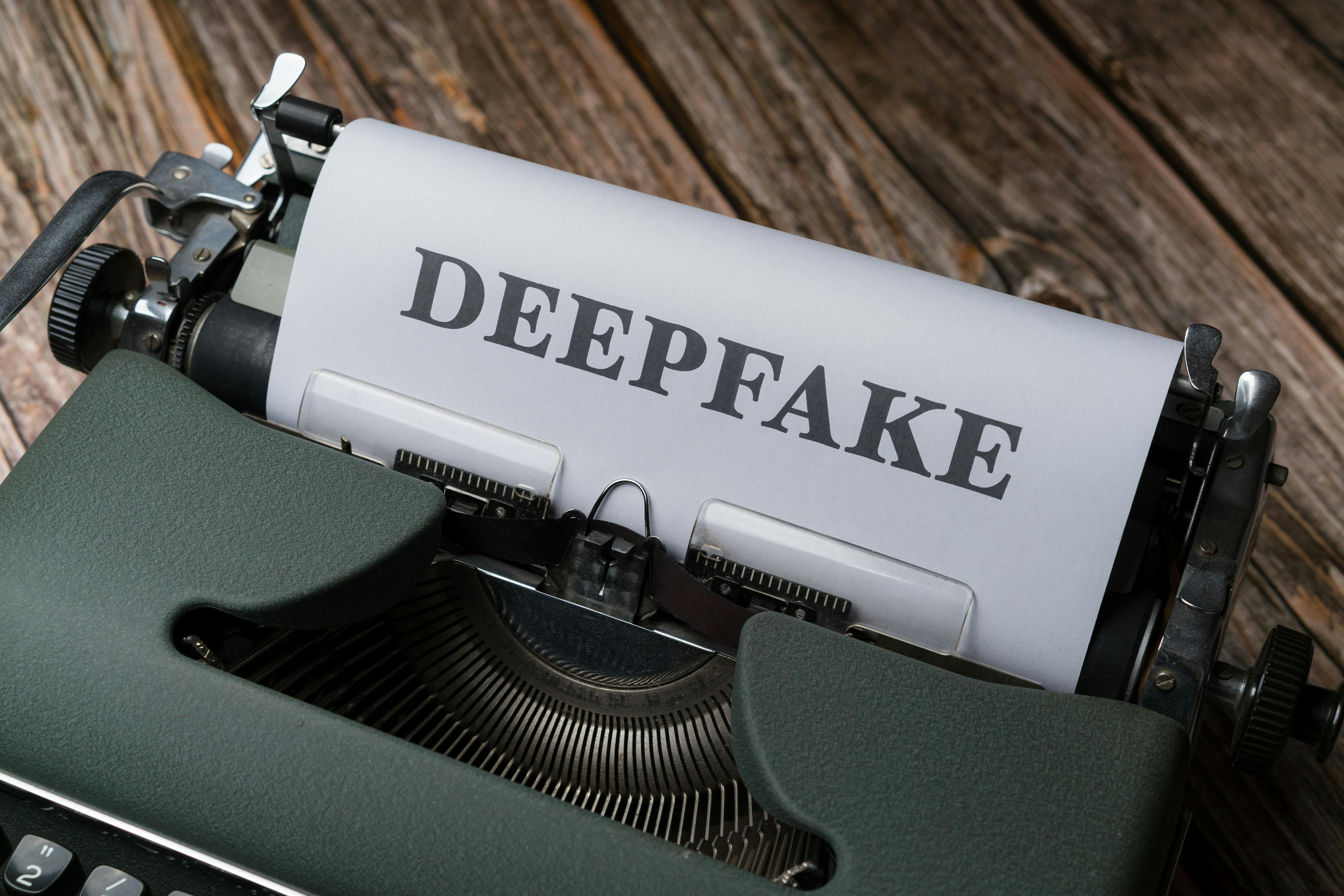
Introduction: Opportunities and Concerns in the Technological Revolution
Artificial intelligence is reshaping the business ecosystem at an unprecedented pace. And voice cloning, as one of its significant branches, has become a closely watched tool in global brand strategies. Enterprises can now leverage this technology to accurately replicate the voice of a CEO or brand ambassador and disseminate information efficiently in multiple languages. This breakthrough not only removes language barriers but also creates new pathways for emotional resonance.
However, the interplay between technology and ethics has subsequently emerged. Legal disputes potentially triggered by deepfake technology, along with the blurred boundaries of authenticity, pose challenges that enterprises cannot ignore. This article will systematically analyze the value created by AI voice cloning for brands and delve into the associated risks and countermeasures.
Dual Transformation: Efficiency and Emotional Connection
In global communication, AI voice cloning technology primarily solve the core pain points of efficiency and scalability. Traditional multilingual dubbing requires coordinating voice actors in different languages, recording venues, and post-production teams, resulting in lengthy cycles and high costs.
In contrast, AI technology only needs to collect a single original voice sample to generate high-quality audio in multiple languages, significantly reducing production time and budgets. For instance, when a new product release, a enterprise can simultaneously launch introductory videos in ten languages, voiced by a cloned version of the CEO, which is an level of efficiency unattainable through traditional voice-over methods.
More importantly, this technology injects new momentum into the emotional connection between brands and users. Consumers naturally place trust in brand leaders or ambassadors, and cloned voices can retain the original speaker's intonation habits, emotional fluctuations, and personal characteristics. When users hear a familiar voice speaking fluently in their native language, the sense of familiarity generated far surpasses that of mechanical synthetic speech or an unfamiliar voice actor. This "human-like" interaction experience significantly enhances user engagement and loyalty in scenarios such as customer service and personalized recommendations.
Legal Risks and Authenticity Crisis
Beneath the efficiency of technology, the shadows are equally clear. On the legal front, the issue of voice rights ownership remains in a gray area. Most regions have not explicitly included voices within the scope of portrait rights protection, and authorization agreements between brands and voice sources often lack detailed provisions regarding cloning applications. Once disputes arise, enterprises may face infringement lawsuits or substantial compensation. Furthermore, if malicious third parties use publicly available audio to clone a brand representative's voice for fraud or spreading misinformation, the consequences could deal a devastating blow to commercial reputation.
A deeper hidden danger lies in the erosion of authenticity and trust. When technology becomes capable of perfect deception, consumers lose warrant for distinguishing genuine information from fake. If users discover that a "sincere" conversation was actually generated by AI, the resulting sense of betrayal could spread to the brand's overall image. More severely, the misuse of deepfake technology may intensify societal skepticism toward media information in general, thereby damaging the foundation of trust between brands and the public.
Building a Framework for Responsible Technology Application
Confronted with both opportunities and risks, brands must establish a balance between innovation and responsibility. Firstly, enterprises should strengthen compliance at the legal level by clearly defining the scope, scenarios, and duration of cloned voice usage, and setting ethical clauses to prevent misuse. Secondly, transparency is key to maintaining trust. Brands could label the technological origin in AI-generated content, for example, by adding an "AI Voice Synthesis" identifier in the video interface or including a disclaimer at the beginning of voice interactions stating, "This voice is generated based on cloning technology".
Simultaneously, companies need to develop internal ethical guidelines that strictly limit the application scenarios of the technology, prohibiting uses involving false advertising, defamation, or misleading users. Additionally, proactively adopting technological measures such as voice watermarking and fake audio detection can protect their own audio assets and build defenses against external malicious attacks. Ultimately, brands should return the original intention of "technology serving people," aiming to enhance the user experience rather than pursuing short-term technological gimmicks.
Conclusion: Seeking a Sustainable Path Between Innovation and Ethics
AI voice cloning serves as both an accelerator for brand globalization and a touchstone for corporate ethics. Its value lies not only in cost reduction and efficiency gains but also in its potential to genuinely empower deep connections between brands and users. However, the challenges it poses to trust and authenticity demand that brands advance its application with greater caution and transparency. Enterprises who want to leverage technology for global expansion must find a balance between efficiency and humanity,innovation and bottom-line principles.