The Real Cost of Stiff AI Dubbing: Why Human Emotional Range Builds Stronger Brand Voices in Global Markets
The voice behind a video doesn't just deliver words—it carries the weight of emotion, intent, and identity. When a corporate promotional video lands in a new market, or an indie game's character speaks in another tongue, the right delivery can turn passive viewers into loyal fans. Get it wrong, though—stiff intonation, off accents, or mismatched energy—and the connection breaks.
Many teams wrestle with this reality. Traditional professional dubbing often demands high budgets and stretched timelines. A modest scene might run hundreds per minute when factoring in talent fees, studio time, and revisions. Industry reports point to traditional dubbing costs hovering between $50 and $300 per finished minute, with full projects easily stretching weeks due to scheduling voice actors across time zones. For indie developers eyeing multiple languages, that quickly becomes prohibitive.
AI dubbing tools have stepped in to ease some pressure. Platforms like ElevenLabs and HeyGen produce remarkably lifelike results in 2025, handling voice cloning, lip sync, and dozens of languages with impressive speed. They slash production time dramatically—sometimes by 80-90%—and cut expenses by 60-80% compared to human-only workflows. The global AI video dubbing segment, valued around $45 million in 2025, reflects explosive interest, with projections climbing steeply as streaming and gaming push for faster localization.
Yet realism remains the sticking point. Many AI outputs still carry subtle robotic undertones, especially in emotional peaks or nuanced dialogue. Excitement can flatten, sarcasm might miss the mark, and cultural inflections get lost. Viewers notice these gaps quickly, particularly in narrative-driven content like games or branded storytelling. A voice that feels mechanical undermines trust and immersion.
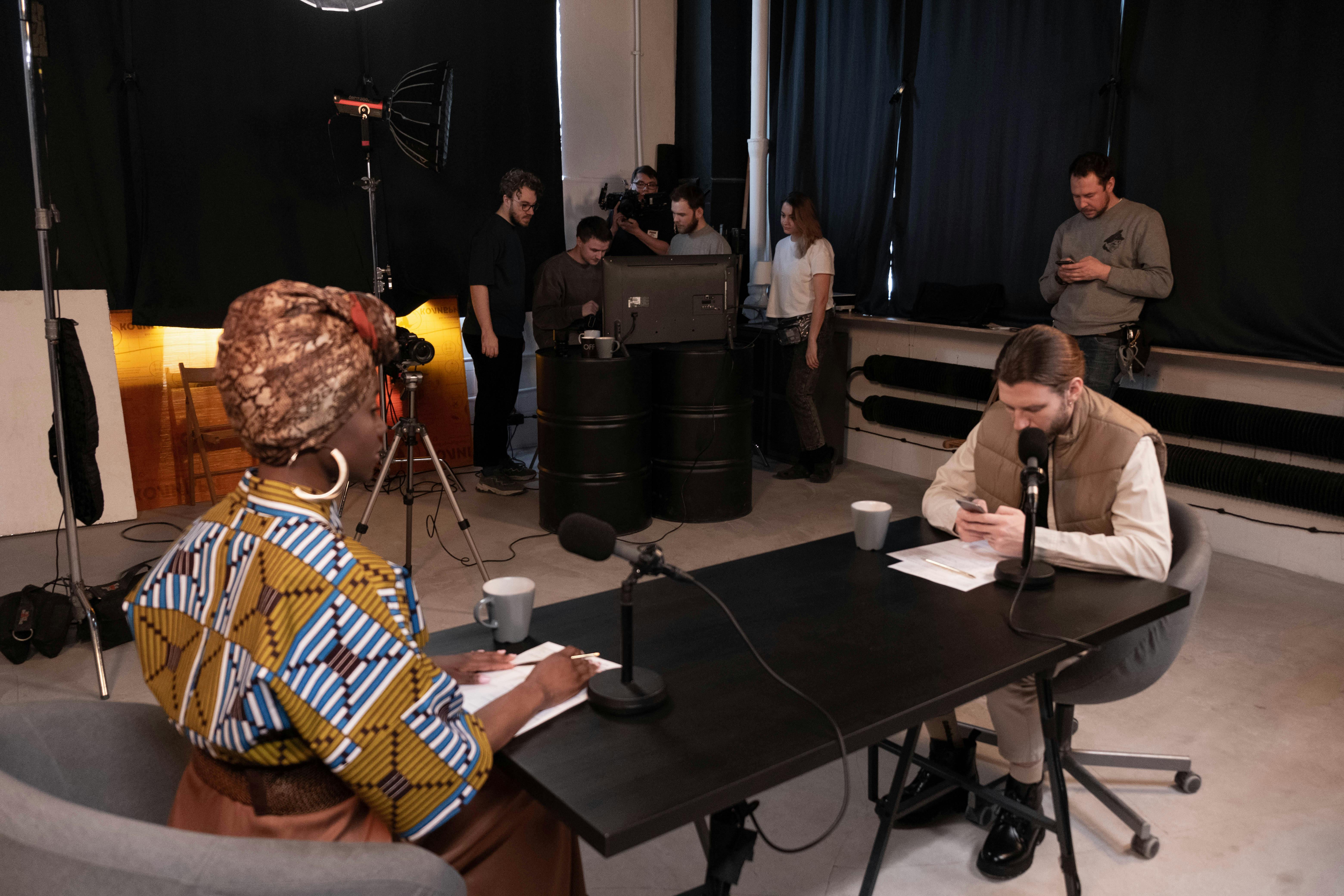
Human expertise fills those voids where AI falls short. Professional voice actors bring mother-tongue authenticity, capturing subtle emotional layers—warmth in a reassuring explainer, urgency in a game boss encounter, or playful charm in a character introduction. This emotional range isn't just polish; it shapes how audiences perceive the brand. A voice that resonates culturally builds familiarity and credibility, turning a foreign product into something that feels local and personal.
Consider multilingual campaigns where tone consistency across languages reinforces identity. Brands that invest in native-level performances see stronger engagement because the audio mirrors the visual intent. In gaming, where character voices define personality, outsourcing to specialists ensures roles feel alive rather than translated. Indie teams often discover that thoughtful voice work elevates their project beyond competitors relying solely on subtitles or basic synth voices.
Balancing cost, speed, and quality calls for hybrid approaches in many cases—AI for initial drafts or less critical segments, human talent for key emotional beats. The dubbing and voice-over market overall, sitting at several billion dollars and growing steadily at 6-7% annually, underscores ongoing demand for solutions that deliver genuine expressiveness without endless delays.
At Artlangs Translation, we've spent over 20 years honing exactly this balance. With mastery across 230+ languages, a network of more than 20,000 professional collaborators, and deep experience in video localization, game dubbing, short drama subtitling, audiobook narration, and multilingual data annotation, we help creators and brands navigate these choices. Our track record includes standout projects in indie games and corporate videos, where natural, emotive performances have opened new markets and strengthened brand presence. When voice matters as much as visuals, partnering with specialists who understand both the technical and the human side makes all the difference.