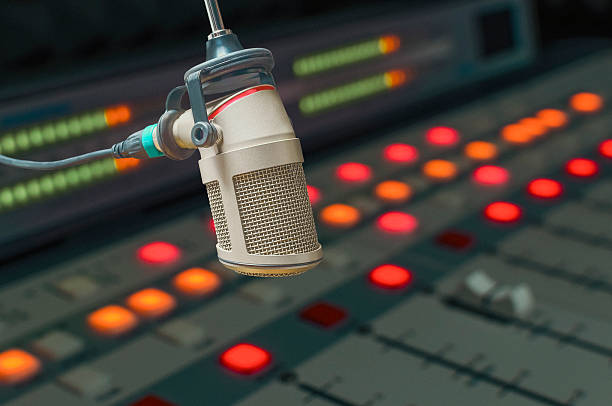
The Power of Voice: Why Authentic Dubbing Transforms Global Video Content
Voice carries something subtitles never can: the raw pulse of emotion. A well-timed pause, a subtle shift in tone, or the warmth that builds trust—these elements turn a simple message into a connection that lingers. For companies expanding internationally, professional video dubbing isn't just technical work; it's a strategic tool for shaping how audiences perceive and remember a brand.
Many organizations still struggle with the basics. Corporate promo videos often land with delivery that feels mechanical—flat intonation that drains energy from even the most compelling script. Marketing teams watch engagement metrics drop in key markets because accents sound off or the performance lacks cultural resonance. Traditional solutions compound the frustration: booking native voice talent across languages drives costs sky-high and stretches timelines into weeks or months, delaying launches and inflating budgets.
The Emotional Core of Effective Dubbing
Great dubbing begins with understanding that voice is performance. Native speakers don't just pronounce words correctly; they inhabit the intent behind them. A sales pitch in German needs precision and authority, while the same message in Brazilian Portuguese might thrive on warmth and conversational flow. These nuances build authenticity that generic solutions rarely achieve.
Industry observers note how emotional fidelity separates memorable content from forgettable filler. In entertainment and marketing alike, audiences detect when a voice lacks genuine feeling. Recent advancements in hybrid systems address this by combining sophisticated synthesis with human oversight, preserving micro-expressions like hesitation that signals sincerity or rising inflection that conveys excitement. One analysis highlighted how even advanced tools still benefit from expert review to avoid the "uncanny valley" where technical accuracy exists without soul.
Brands that invest here see tangible returns. Consistent vocal identity across markets reinforces trust. Think of how a reliable, empathetic tone in customer testimonials or executive messages can mirror the company's core values—professional yet approachable—regardless of language. This vocal branding becomes as distinctive as visual logos or taglines.
Addressing Real-World Pain Points with Smarter Solutions
The market has responded to longstanding issues. Traditional dubbing for a one-hour video in multiple languages can easily run into tens of thousands of dollars with extended production cycles. AI-powered options have changed the economics dramatically, with reports showing cost reductions of 70-90% and turnaround times slashed from weeks to days.
Yet pure automation often recreates the very problems it aims to solve: robotic stiffness or mismatched cultural tone. Hybrid approaches—leveraging advanced AI for initial adaptation while native professionals refine emotional delivery and lip synchronization—offer a practical middle ground. This method maintains speed and affordability while delivering results that feel human and contextually appropriate.
For game developers, this matters enormously. Character voices need to convey personality, humor, or intensity across languages without breaking immersion. Corporate teams booking professional narrators for promotional films want assurance that the message lands with the same persuasive force everywhere. Multilingual projects benefit when providers combine scale with precision, avoiding the pitfalls of impure accents or emotionally hollow performances.
Shaping Brand Identity Through Sound
Voice influences perception more than many realize. A study-adjacent insight from localization experts shows that audiences engage more deeply with content that respects their linguistic and cultural expectations. When a brand's video speaks naturally in a viewer's mother tongue, it signals respect and competence—foundational to building loyalty in competitive markets.
Successful campaigns often hinge on this. Streaming services and global marketers increasingly use targeted dubbing to expand reach while protecting the original creative vision. The result isn't diluted content but versions that resonate locally, strengthening overall brand equity. Newer emotion-preserving technologies further enhance this by mapping prosody and cadence from the source, creating outputs that feel true to the intent.
Choosing Partners Who Deliver Results
Businesses serious about global video strategies need providers who balance innovation with proven expertise. Companies benefit from teams experienced in high-stakes projects where emotional accuracy and native fluency are non-negotiable.
Artlangs Translation stands out with mastery across more than 230 languages, backed by over 20 years of specialized service and a network of more than 20,000 professional collaborators. The company has built a strong reputation through numerous successful cases in video localization, short drama subtitle adaptation, game localization, multi-language dubbing for short dramas and audiobooks, as well as extensive multi-language data annotation and transcription work. Their focus on these areas ensures clients receive culturally attuned, emotionally resonant results that support effective international expansion.
In a world where video dominates communication, the right dubbing approach doesn't just translate words—it amplifies impact. By prioritizing emotional depth, native authenticity, and efficient production, organizations can connect more meaningfully with audiences worldwide while managing resources wisely. The voice you choose to represent your brand may well determine how deeply it resonates.