

The Emotional Disconnect: How English Dubbing Can Make or Break Chinese Short Dramas for Western Viewers
Chinese short dramas—those bite-sized, vertical-screen stories that hook you in seconds—have quietly become one of the biggest entertainment exports from China. Apps like ReelShort and DramaBox rack up hundreds of millions of views in the U.S. alone, with revenues reaching roughly $700 million in the first part of 2025 and downloads climbing 500% year-over-year in some reports. The formula is simple: fast-paced plots, revenge arcs, billionaire romances, and cliffhangers every minute or two. It’s addictive, and Western audiences are eating it up.
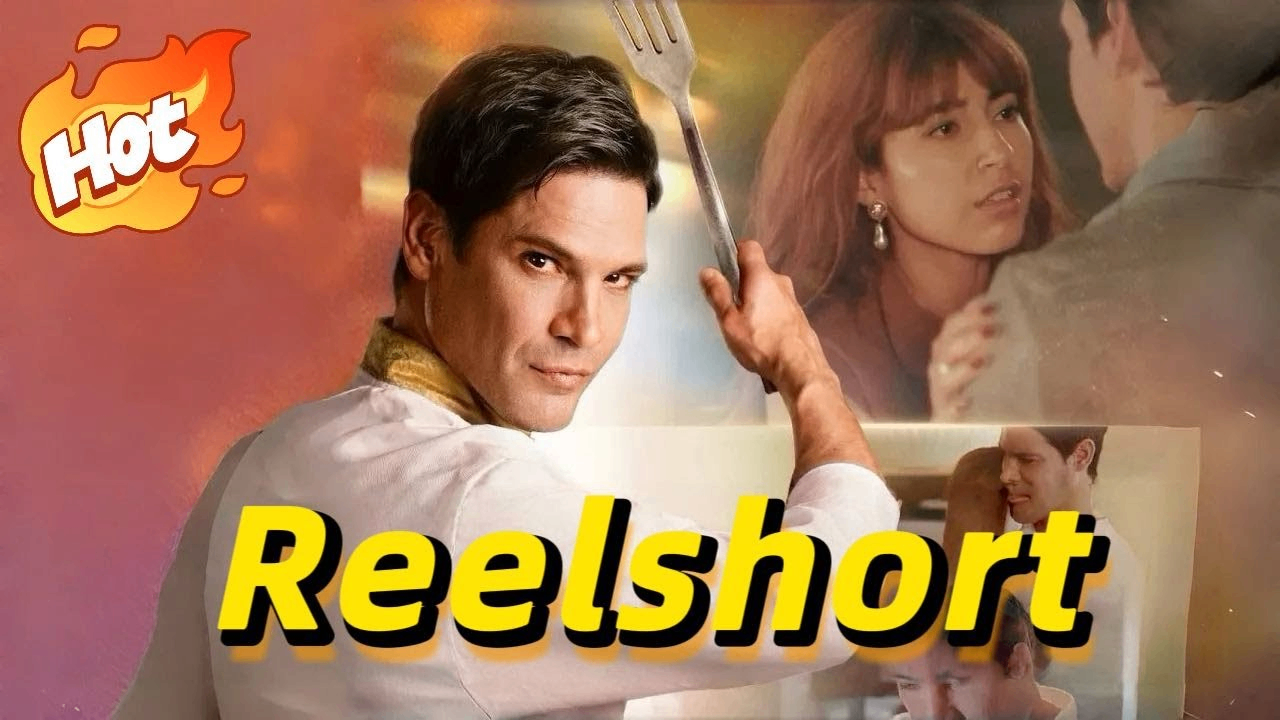
But here’s where things often go sideways: the English dubbing. Far too many viewers hit play, get pulled in by the drama, then feel the energy drain when the voices start. The lines land flat, the timing feels off, or the emotional beats don’t match the actors’ faces. It’s a common complaint—“the dubbing sounds awkward and doesn’t match the actors’ emotions”—and it’s enough to make people swipe away or switch to subtitles, which defeats the point of an immersive, dubbed experience.
The root of the problem isn’t just sloppy work; it’s a deeper cultural gap. Chinese storytelling tends to favor subtlety and restraint in emotional delivery. Characters often hold back tears, speak in measured tones, or convey heartbreak through silence and small gestures—hallmarks of a cultural preference for low-arousal emotions. Western audiences, by contrast, are more accustomed to high-arousal expressions: louder confrontations, overt passion, quick shifts from anger to vulnerability. Research on cross-cultural emotional perception shows that Western viewers expect stronger, more immediate displays, while Eastern styles lean toward calm and indirect.
That mismatch creates a real barrier. A scene that feels poignant and layered in Mandarin can come across as monotone or disconnected when dubbed with generic American voices that don’t carry the same nuance. Jokes fall flat because the sarcasm or wordplay gets lost. Power dynamics—central to so many of these stories—lose their weight when the vocal delivery doesn’t reflect the hierarchy or tension the original performance built.
Good dubbing, though, can close that gap. It’s not about perfect lip-sync (which is nearly impossible in short, rapid-fire formats anyway); it’s about rhythm and emotional truth. Skilled voice actors adjust pacing to hit the energy peaks, layer in subtle inflections that signal hidden feelings, and adapt cultural references so they resonate without explanation. Some productions now use “rhythm sync” techniques—focusing on matching the emotional crest rather than every syllable—or cast talent with regional accents to make the dialogue feel lived-in rather than translated. When done well, the dubbing doesn’t just cover the original; it re-performs it for a new audience, preserving the story’s heart while making it accessible.
The data backs up the stakes. Poor localization contributes to high drop-off rates—some reports note a 40% spike in viewers bouncing in the first minute when dubbing feels robotic or mistimed. On the flip side, platforms that invest in thoughtful adaptation see longer watch times and higher retention. It’s why a growing number of producers treat dubbing as performance craft rather than a technical afterthought.
The difference between an awkward watch and an addictive one often comes down to whether the dubbing team understands both cultures deeply enough to bridge them.
For creators serious about reaching global audiences, partnering with experienced localization specialists is key. Companies like ArtLangs Translation bring over 20 years of language service experience, proficiency in more than 230 languages, and a network of 20,000+ certified translators who have long-term partnerships across projects. They’ve built a strong track record in video localization, short drama subtitling and dubbing, game localization, audiobooks, and multilingual data annotation and transcription—exactly the kind of expertise that turns cultural gaps into compelling cross-cultural stories. When the voices finally match the emotion on screen, that’s when these short dramas truly travel.




