
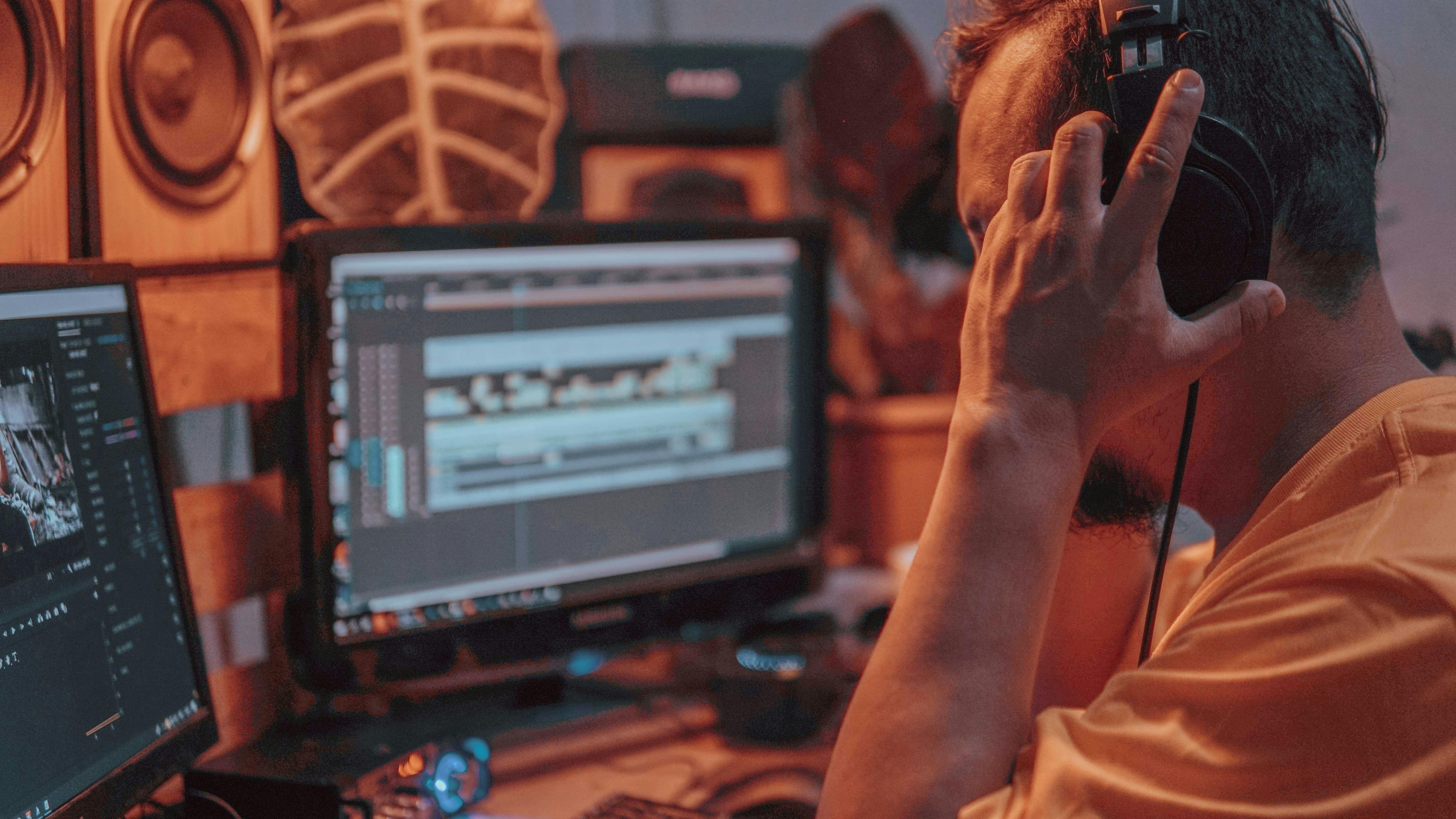
The Art of Lip-Syncing in Video Dubbing: How Voices and Visuals Merge Seamlessly
Have you ever watched a foreign film where the dubbed voices feel just a tad off, pulling you out of the story? That subtle mismatch between what you hear and what you see on screen can turn an immersive experience into a distracting one. But when done right, lip-syncing in video dubbing creates a kind of magic, making characters come alive in new languages without a hint of awkwardness. It's an art form that's evolving rapidly, blending human skill with cutting-edge tech to deliver that perfect harmony.
At its core, lip-syncing ensures that the dubbed audio aligns precisely with the actors' mouth movements, down to the syllable. This isn't just about timing—it's about capturing the rhythm of speech, the shape of lips forming words, and even the emotional undertones that make dialogue feel real. Traditional methods rely on techniques like timecode synchronization, where footage and audio are matched using exact timestamps, or script adaptations that tweak translations to fit visible lip shapes. Voice actors play a crucial role here, training to mimic the original delivery while watching the screen, adjusting their pace to avoid that dreaded "off-beat" feel.
Yet, creators often run into frustrating hurdles. One common issue is the voice mismatch—imagine a youthful heroine on screen paired with a gravelly, mismatched tone that shatters the illusion, like casting a deep-voiced uncle in a teen role. Then there's the emotional flatness: subpar AI dubbing or rushed human efforts can sound robotic, reciting lines like a textbook rather than conveying heartbreak or excitement, leaving audiences unmoved. And don't overlook the legal pitfalls; dipping into unauthorized audio sources can lead to videos being yanked offline or sparking lawsuits over copyright violations.
Fortunately, advancements are tackling these head-on. Take the film "Fall" from 2022, where director Scott Mann used Flawless AI's TrueSync tool to swap out explicit dialogue without reshooting. This preserved the actors' raw performances while syncing lips to cleaner lines, saving massive costs—tens of thousands per scene—and meeting rating standards. Mann called it a "genius move," highlighting how such tech keeps the essence intact. In a user study for the VividWav2Lip model, 85% of viewers favored AI-synced results over traditional methods, praising the added realism and emotional depth.
Diving deeper, a massive study analyzing 319 hours of professional dubs across 54 titles revealed some eye-opening truths. Researchers found that human dubbers prioritize natural-sounding speech and accurate translations over rigid lip-sync or timing rules. For instance, exact viseme matches (the visual shapes of sounds) occurred only about 12.4% of the time on-screen, yet the dubs still felt convincing because they echoed the source audio's pitch, energy, and rhythm—correlations as high as 0.792 for pitch. This suggests that emotional transfer matters more than pixel-perfect alignment, a insight that's reshaping automatic dubbing systems.
AI is stepping up in exciting ways, especially for tricky scenarios. Tools like Sony's DubWise use visual cues from the original video—like lip shapes and facial twitches—to guide timing, making dubs feel organic even in angled shots. EmoDubber adds a prosody module that ties rhythm to lip movements, enhancing pronunciation clarity. And for multilingual challenges, where languages like English and German differ in word length, apps such as Rask AI cut manual work by 80%, mapping mouth positions automatically while preserving personality and secondary expressions like eyebrow raises.
Consider enterprise brand videos: experts in native-level dubbing can transform promotional content, ensuring a CEO's message lands with cultural nuance in markets abroad. For documentaries, high-expressive narration dubbing brings scripts to life, syncing evocative voiceovers to footage for that gripping, storytelling punch. Budget-conscious teams love affordable AI emotional dubbing solutions that deliver in 24 hours, infusing warmth without the hefty price tag. In RPG games, multi-voice dubbing lets characters switch tones seamlessly, from gruff warriors to sly elves, all lip-synced to player choices.
One standout collaboration is LipNeRF, developed by Stony Brook University and Amazon Prime Video. This 3D morphable model tweaks actors' expressions in the video itself, making dubs photorealistic even under cinematic lighting. PhD candidate Aggelina Chatziagapi explained: "When you watch a dubbed movie, you always notice a misalignment of the lips, right? So, we want to make it more photorealistic." It's particularly game-changing for expressive scenes, where traditional dubs fall short.
In an interview, LipDub AI's co-founder Matt Panousis demonstrated switching a conversation from English to Spanish, Mandarin, and Polish in seconds, with lips syncing flawlessly. He predicts mass adoption of such tech, blurring lines between originals and localizations: "If emotional delivery feels real and lip movements authentic, the preference for subtitles may shift." Data backs this—Perso AI users saw 400% spikes in international views and 85% cost cuts versus old-school dubbing.
What's clear is that lip-syncing isn't just technical—it's about forging connections. As Dmitry Rezanov of Rask AI puts it, "We're steadily approaching the point where lip-sync technology becomes virtually indistinguishable from reality." This opens doors for creators to reach global audiences without compromise.
For those navigating these waters, partnering with seasoned pros like Artlangs Translation makes all the difference. With over 20 years in language services and mastery across 230+ languages, they've built a network of 20,000+ certified translators through long-term collaborations. Their track record shines in translation, video localization, short drama subtitling, game adaptations, multilingual audiobook dubbing, and data annotation—delivering standout cases that turn content into worldwide hits.




