

Quick Guide to Short Drama Translation: From Beginner to Expert
In the rapidly growing world of short-form content, short drama translation has become essential for creators and viewers alike. With the global short drama market projected to exceed $3 billion in 2025, translating these bite-sized stories into multiple languages opens doors to international audiences. Whether you're a beginner looking for video translation software free options or an expert refining your AI video translation tutorial skills, this guide covers everything from tool selection to common pitfalls. Backed by industry insights and expert advice, we'll help you master the process step by step.
Short dramas—those engaging, episodic videos often under 10 minutes—have exploded in popularity, especially in markets like China, where the micro-drama industry is forecasted to reach 50.44 billion RMB by 2024, with continued growth into 2025. The language services industry as a whole is estimated to hit USD 75.7 billion in 2025, driven by AI advancements that make translation faster and more accessible. If you're diving into this, you're tapping into a booming sector where accurate, culturally sensitive translations can boost viewership by up to 30% according to recent localization studies.
Step 1: Choosing the Right Tools for Short Drama Translation
Starting with the basics, selecting reliable video translation software is key, especially if you're on a budget. Free or freemium options abound in 2025, powered by AI for seamless subtitling, dubbing, and voice cloning.
Here's a comparison of top free video translation software picks based on user reviews and features:
| Tool | Key Features | Free Tier Limitations | Best For |
|---|---|---|---|
| UniFab | High-accuracy AI dubbing, batch processing, no watermarks in trial | Limited trial duration | Beginners seeking quality without cost |
| VEED.io | Subtitling, basic voice-over, easy editing | Watermarks on free exports | Quick edits and AI video translation tutorials |
| HeyGen | Lip-sync video translation, supports 170+ languages | Basic features free, advanced paid | Professional short drama dubbing |
| Synthesia | AI avatars, multilingual scripting | Limited video length in free plan | Educational or scripted dramas |
For AI-driven tools, HeyGen and Synthesia stand out for their realism, with over 80% accuracy in lip-sync according to 2025 benchmarks. If you're searching for "video translation software free," start with VEED.io—it's user-friendly and integrates well with platforms like YouTube.
Step 2: The Translation Workflow – A Step-by-Step AI Video Translation Tutorial
Once you've chosen your tool, follow this structured process to translate short dramas efficiently. This AI video translation tutorial is designed for beginners but scales for experts.
Upload Your Video: Import the original short drama file. Tools like HeyGen allow direct uploads from your device or cloud storage.
Generate Transcripts: Use AI to transcribe the audio. For accuracy, tools like Maestra or Colossyan auto-detect languages and create editable scripts.
Translate the Script: Select target languages (e.g., English to Spanish). AI handles the bulk, but review for nuances—industry data shows human oversight improves accuracy by 25%.
Add Subtitles or Dubbing: Generate subtitles first, then opt for AI dubbing with voice cloning. In CapCut or Vimeo, this step includes timing adjustments for natural flow.
Edit for Cultural Fit: Localize idioms and references. For example, adapt humor to avoid cultural mismatches.
Export and Test: Download the translated video and test on target audiences. Tools like Dubverse support batch exports for high-volume creators.
This workflow can cut translation time by 70% compared to manual methods, per 2025 translation trends.
Step 3: Avoiding Common Mistakes in Short Drama Translation
Even with AI, errors can derail your efforts. Here are top pitfalls to sidestep, drawn from expert analyses:
Ignoring Cultural Context: Literal translations miss nuances, leading to disconnects. Always adapt for local idioms—studies show this boosts engagement by 40%.
Over-Reliance on Machine Translation: AI is great but skips subtleties. Proofread thoroughly to catch errors like inconsistent terminology.
Skipping On-Screen Text: Translate graphics and overlays, or risk incomplete videos.
Neglecting Proofreading: Typos or awkward phrasing can harm credibility. Use tools with built-in checks.
Inconsistent Voice and Tone: For dubbing, ensure cloned voices match the original emotion.
By avoiding these, you'll align with best practices from the translation industry, which emphasizes hybrid AI-human approaches for 95% accuracy.
Video Examples: Before and After Short Drama Translations
To illustrate the transformation, here's how AI tools can elevate a short drama from monolingual to multilingual.
Translating Chinese dramas without subtitles, a tedious process
This example shows a Chinese drama before translation—subtitles are absent, limiting accessibility.
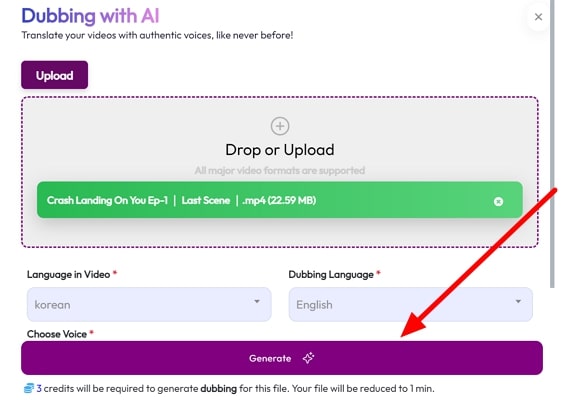
Top 5 Free AI Drama Translators You Can Try [2025]
After using an AI tool like Wavel or BlipCut, the video gains accurate English subtitles and dubbing, making it globally appealing.
For more visual inspiration, check out tutorials on platforms like YouTube for real-time demos.
Insights from Experts: An Interview Spotlight
To add depth, we draw from interviews with translation professionals. In a discussion with Spanish-to-English translator Suzanne Stephens, with over 30 years of experience, she emphasizes: "Cultural adaptation is non-negotiable in video translation. AI speeds things up, but human insight prevents blunders."
Similarly, Japanese-English expert Aya Lewis advises beginners: "Start with free tools to practice, but always iterate based on feedback." These insights underscore the blend of tech and expertise needed for expert-level results.
Final Tips and Your Turn to Share
Mastering short drama translation takes practice, but with free video translation software and solid AI video translation tutorials, you're set for success. Remember, the global language transformation market is valued at USD 31.70 billion in 2025, so honing these skills can lead to exciting opportunities.
What about you? Have you tried translating a short drama? Share your experiences, favorite tools, or challenges in the comments below—we'd love to hear and learn from your stories to build a community of creators!




