
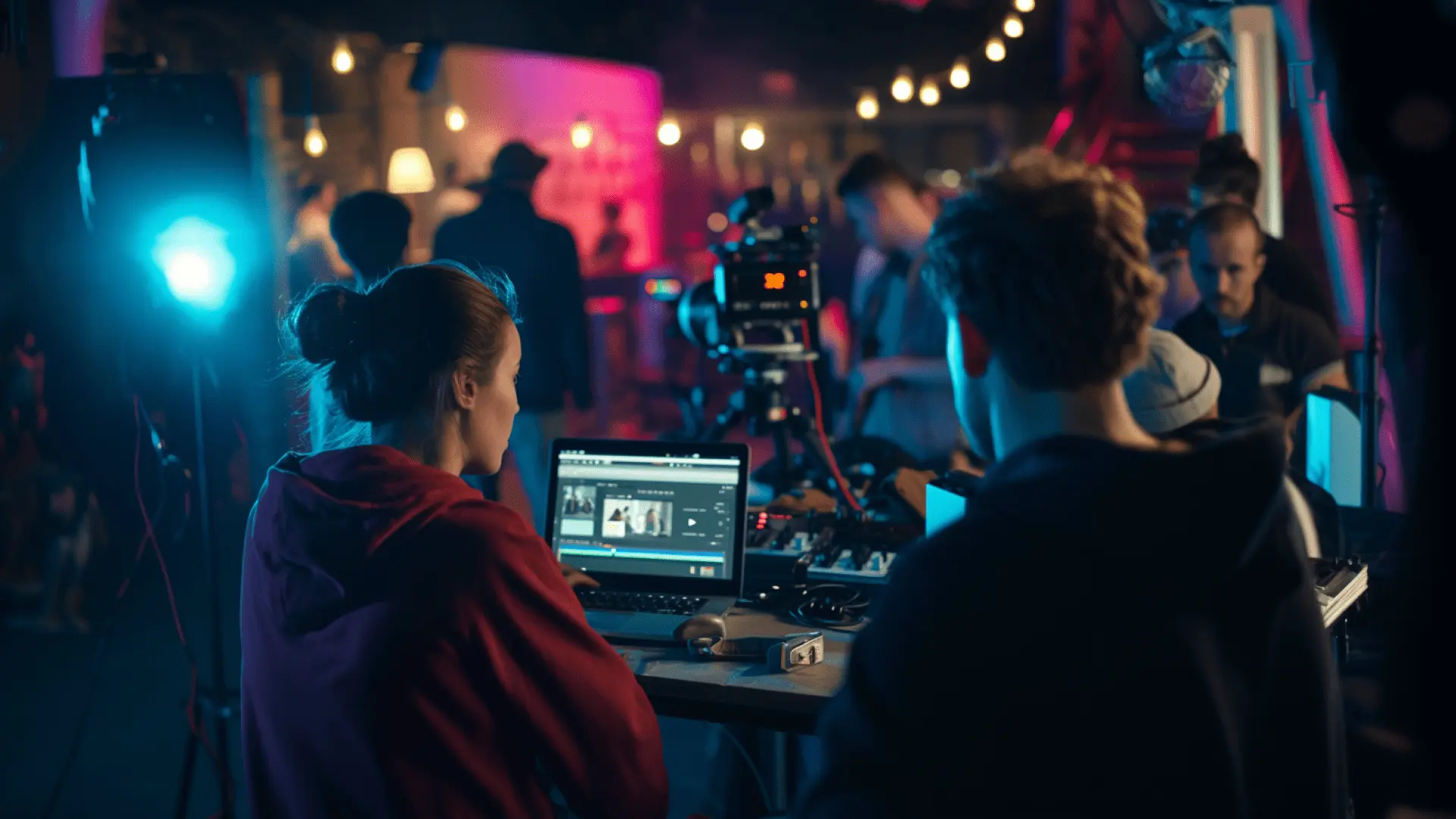
Overcoming the Toughest Transcription Challenges: Noisy Audio, Heavy Accents, and Industry Jargon
The real headaches in dubbing, listening, and transcription work often come down to the same few stubborn problems that trip up even seasoned teams. A one-hour panel discussion in a bustling conference room—multiple voices overlapping, background chatter, perhaps a few heavy accents—can turn into days of rework if the initial transcript is riddled with mistakes. Industry insiders know the drill: automated tools spit out something fast, but when the content involves specialized terminology in fields like medicine, law, or tech, those quick drafts frequently miss the mark on critical jargon.
Recent studies highlight just how tricky this gets in less-than-ideal conditions. In noisy environments or multi-speaker setups, even leading automatic speech recognition (ASR) systems show noticeable drops in performance. For instance, while some advanced models like OpenAI's Whisper large-v3 can match or occasionally outperform humans in controlled noisy settings (such as speech-shaped noise), they still lag in more naturalistic scenarios like pub-level background sounds. Accuracy often hovers around 75-90% for accented or overlapping speech, far from the near-perfect results needed for professional deliverables. In technical domains, the gap widens further: medical terms, legal phrases, or engineering acronyms get mangled because general models simply aren't trained deeply enough on domain-specific vocabularies.
One major pain point is terminology errors. A single misheard abbreviation in a clinical trial discussion or patent review can cascade into flawed subtitles, inaccurate dubbing cues, or misleading data annotations. Editors and post-production crews then spend extra hours cross-checking and fixing what should have been caught earlier. Another is the sheer time sink of manual work. Industry benchmarks show that transcribing one hour of audio manually typically takes 4-6 hours (sometimes stretching to 10 for complex material), while automated first passes finish in minutes—but often require substantial editing to reach usable quality. With the U.S. transcription market valued at over $30 billion in 2024 and growing steadily, the demand for faster, more reliable solutions is only increasing, yet many teams still battle these efficiency bottlenecks.
Then there's the format issue. Delivering a wall of text without precise timecodes leaves video editors guessing where key moments land. Timestamps aren't just nice-to-have; they act as anchors, letting teams jump straight to a specific quote or segment in the source file. Without them, syncing dubbed audio, aligning subtitles, or pulling highlights for promos becomes a tedious, error-prone process. Professionals in media production repeatedly stress how timecoded transcripts cut down revision cycles and keep projects on schedule.
The smart approach combines the best of both worlds: leverage AI for speed on the initial transcription and keyword extraction, then bring in human experts for targeted review. This hybrid model shines brightest in verticals with heavy jargon. The workflow usually starts with high-quality ASR to generate a draft, followed by domain specialists who validate terminology—checking against glossaries, consulting subject-matter references, and refining speaker diarization where needed. For dialect-heavy or accented source material, native or regionally experienced reviewers step in to catch nuances machines overlook. The result is a clean, time-stamped script ready for dubbing, subtitling, or data labeling, often with a concise summary of key terms and topics pulled out upfront.
This layered process addresses the core frustrations head-on. It slashes the effective turnaround from days to hours in many cases, ensures industry-specific accuracy that automated tools alone can't guarantee, and provides the structured output that downstream teams actually need. As content globalizes—think international podcasts, corporate training videos, or cross-border legal recordings—the ability to handle diverse accents and noisy real-world audio while preserving precise meaning becomes non-negotiable.
At Artlangs Translation, we've built our services around exactly these demands for more than 20 years. Specializing in translation, video localization, short drama subtitling, game localization, audiobooks with multi-language dubbing, and multilingual data annotation/transcription, the team supports over 230 languages through a network of more than 20,000 professional linguists and collaborators. We've delivered on countless projects where accuracy in tough conditions made the difference—whether refining technical transcripts for tech firms or ensuring dialect-sensitive dubbing for global audiences. If your workflow involves high-stakes listening, transcription, or dubbing, reaching out can uncover ways to streamline without sacrificing quality.




