
Multilingual Video Dubbing Solutions: Detailed Explanation of AI Video Dubbing Technology
By 2025, multilingual video dubbing has emerged as a cornerstone of global content localization. Thanks to AI-driven video dubbing solutions, tech enthusiasts and media professionals can now pull off efficient video translation with minimal hassle. This piece breaks down how AI dubbing works, its key advantages, and real-world use cases. It also offers a glimpse into the technology’s future, helping you get a solid grasp of this game-changing innovation.
How AI Dubbing Work
At its core, AI video dubbing relies on three key steps: script translation, speech synthesis, and lip-sync alignment. First, the system uses neural machine translation tools—like integrated DeepL—to automatically translate the source script. Next, Text-to-Speech (TTS) technology kicks in to generate natural, emotionally resonant voiceovers. Finally, specialized lip-sync algorithms analyze the original video’s facial movements, tweaking the synthesized speech to match perfectly with on-screen visuals. This fully automated pipeline works just as smoothly for short clips as it does for full-length films.
Below is a diagram of the typical workflow:
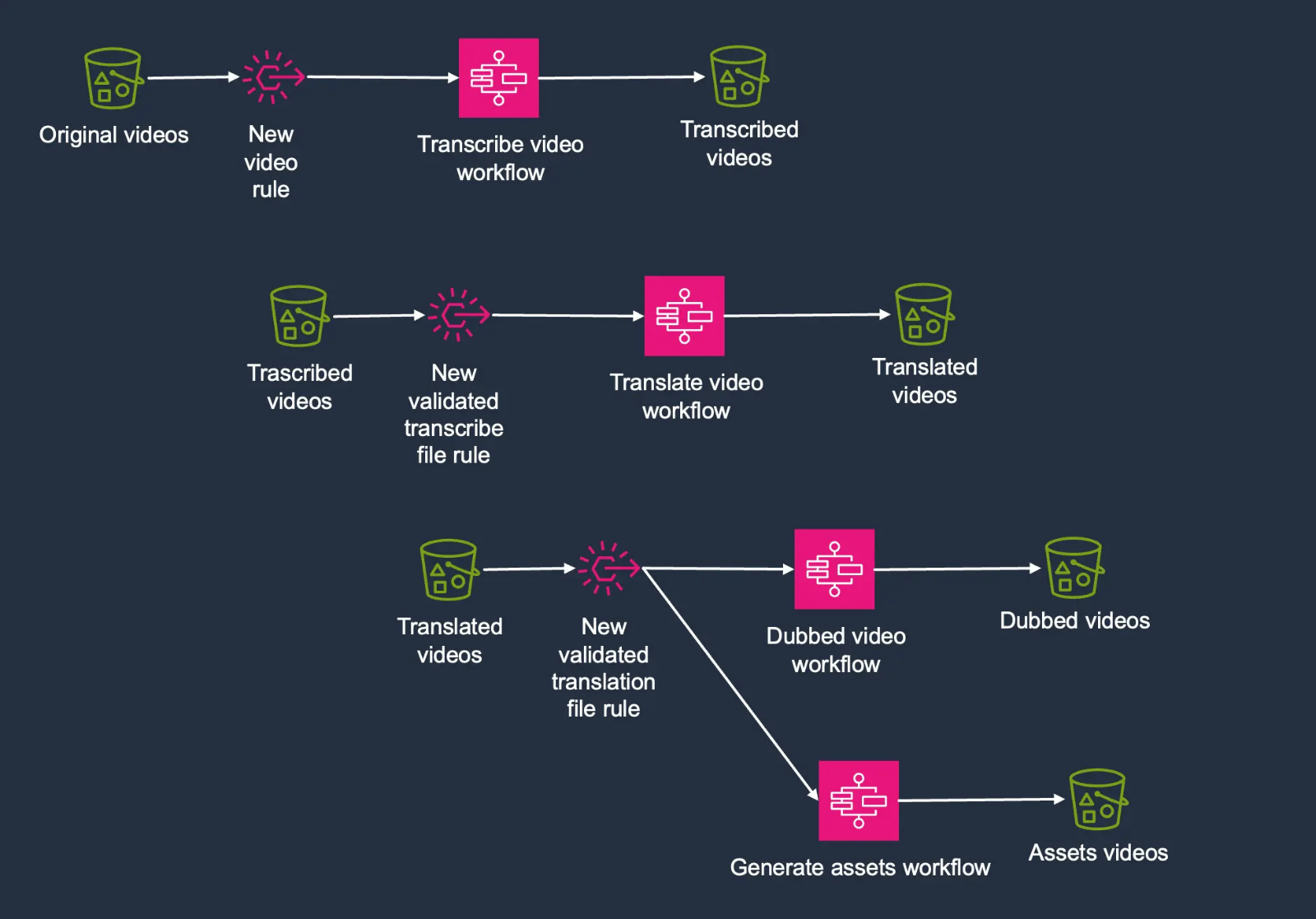
This diagram illustrates the end-to-end process from upload to output.
Advantages of AI Voiceovers
AI-powered multilingual dubbing outshines traditional voiceover methods in several major ways:
- Cost Efficiency: Slashes expenses by up to 86%, cutting out the need to hire professional voice actors or book recording studios.
- Speed Boost: Ramps up production efficiency by 4–10 times, with projects wrapping up in minutes instead of days or weeks.
- Broad Language Coverage: Supports over 175 languages while keeping cultural nuances intact, no awkward literal translations included.
- Consistent Quality: Minimizes human error and delivers natural-sounding results every time, regardless of the project scale.
These perks let media professionals expand their reach into global markets without breaking the bank or sacrificing quality.
Application Scenarios
AI video dubbing solutions have found a home across multiple fields, including educational content, advertising, film and television, and e-learning. For global media companies, it’s a fast way to localize movies and shows for international audiences. On VR platforms, it enables real-time multilingual interaction, making immersive experiences accessible worldwide. Even tech hobbyists can jump in—using these tools to dub their YouTube videos into multiple languages and grow their global fanbase.
Future Outlook
After 2025, multilingual video dubbing technology is set to evolve even further: AI emotional recognition algorithms will get better at capturing subtle tones and inflections, and real-time dubbing will integrate seamlessly with live streaming platforms. Market forecasts predict that 30% of VR platforms will come with built-in AI translation features. As for lingering challenges like cultural bias, hybrid AI-human review models will step in to address them, paving the way for truly seamless global content sharing.
In short, embracing AI video dubbing solutions gives tech enthusiasts and media professionals a front-row seat to the next wave of content innovation. Dive into these tools now and start expanding your content’s global footprint.