
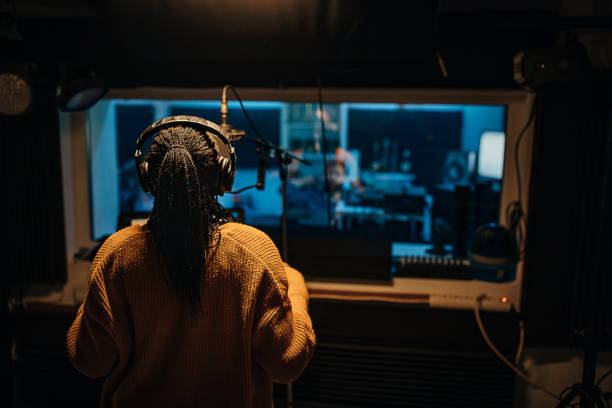
Mastering Lip-Sync Challenges in Video Dubbing: Bridging Language Gaps for Natural, Engaging Results
Languages move to very different rhythms. English often feels compact and punchy, while Mandarin can stretch syllables or pack ideas into denser bursts depending on tone and context. These differences in speech rate, syllable density, and prosody create one of the biggest headaches in professional video dubbing: getting the new audio to match the original speaker’s mouth movements without looking off or forced.
Viewers notice immediately when it fails. A slight delay or rushed delivery pulls them out of the story, whether it’s a corporate promotional video meant to inspire confidence, an immersive game scene, or a short drama aiming for emotional punch. The result? Lower engagement, damaged brand perception, and wasted production budgets.
Why Speech Speed Differences Create Such Persistent Problems
Chinese-to-English dubbing highlights the issue sharply. Mandarin speakers can convey complex ideas in fewer syllables thanks to tonal structure, while English often requires more words and varied intonation to carry the same weight. A 10-second Mandarin line might expand or contract noticeably in English, throwing off the actor’s visible lip movements, jaw position, and even subtle head tilts.
The mismatch goes beyond simple timing. Faster languages risk “viseme crowding,” where the AI or voice talent struggles to articulate distinct sounds in the compressed timeframe. Slower deliveries can create awkward pauses that make performances feel wooden. Traditional solutions—manually adjusting timing, re-recording takes, or editing video frames—quickly drive up costs and extend timelines.
Industry data underscores the scale. The global video localization market, which includes dubbing, sits around USD 4 billion in 2026 and is projected to reach nearly USD 7.5 billion by 2035, growing at about 7.2% CAGR. Dubbing itself forms a significant portion, driven by streaming, gaming, and corporate content expansion. Meanwhile, the AI video dubbing segment is exploding at over 44% CAGR as companies seek faster, more scalable options.
Addressing the Real Pain Points: Stiffness, Accents, and Sky-High Costs
Many decision-makers share the same frustrations. Robotic-sounding voices kill emotional connection. Accents that feel off-putting undermine trust in corporate videos. And the traditional route—hiring studios, casting native talent, scheduling sessions, and iterating—can cost $50–$300 per finished minute with turnaround times stretching weeks or months.
Hybrid approaches have emerged as a practical middle ground. Advanced AI handles initial translation, timing adaptation, and basic lip synchronization, while human linguists and voice directors refine emotional delivery and cultural nuance. Modern systems analyze not just audio waveforms but visual cues from the original video—lip shapes, facial micro-expressions, and head movement—to guide more natural alignment.
For corporate promotional videos, this means reserving professional voice talent for key emotional beats while using refined AI for supporting narration. Game developers benefit especially: character lines that once required expensive multi-language recording sessions can now scale across dozens of markets faster, with human oversight ensuring personality and performance stay intact.
Real-world examples show what’s possible. Netflix’s heavy investment in localized dubbing helped titles like Squid Game reach massive global audiences. In gaming, multi-language voice work has become table stakes for immersion. On the AI side, companies have successfully dubbed entire films or live sports commentary while preserving emotional depth, proving that technology can handle cultural and rhythmic shifts when properly guided.
Practical Strategies for Better Results
Successful projects start with thoughtful script adaptation rather than literal translation. Experienced linguists adjust phrasing to fit natural speech rhythms in the target language while protecting core messaging. Tools that allow fine-grained control over pacing—slightly stretching or compressing audio segments—help align dialogue without distorting voice quality.
Lip-sync technology has advanced dramatically. State-of-the-art solutions now re-render mouth movements frame-by-frame where needed, or predict timing using visual analysis from the source video. The best outcomes almost always involve human review: native speakers checking for authentic accent, emotional tone, and cultural fit.
For businesses, this hybrid model slashes costs—often by 80-90% compared to fully traditional workflows—while delivering turnaround in days rather than weeks. It makes high-quality dubbing accessible for everything from enterprise training videos to indie game releases.
Choosing Partners Who Deliver Authenticity at Scale
The most reliable results come from teams that combine deep linguistic expertise with the latest localization technology. Organizations need partners who understand both the technical challenges of cross-language rhythm differences and the human elements that make performances resonate.
Artlangs Translation stands out in this space with proficiency across more than 230 languages and dialects. With over 20 years of specialized experience and a network of more than 20,000 professional collaborators, the company has built a strong track record in video localization, short drama subtitle and dubbing projects, game localization, audiobook production, and multi-language data services. Their focus on natural, culturally attuned results helps clients overcome the common pitfalls of stiffness, accent issues, and prohibitive costs—delivering content that genuinely connects with international audiences.




