
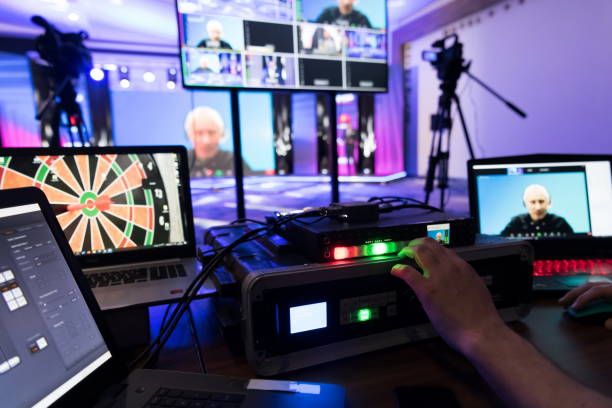
How Video Dubbing Creates Trust: Lip-Sync Precision, Voice Psychology, and the AI-Human Balance
The art of video dubbing goes far beyond swapping one language for another. It’s about creating an experience so seamless that viewers forget they’re watching a translated version. When the voice matches the on-screen performance, emotions land naturally, and brands build deeper connections across borders. Yet many creators and marketers still run into frustrating mismatches that pull audiences out of the moment.
The Precision of Lip-Syncing: Making Mouths Match Meaning
Lip-syncing stands at the heart of convincing dubbing. In traditional workflows, voice actors carefully time their delivery to align with the original actor’s mouth movements, often requiring multiple takes and skilled translators who craft scripts around phonetic rhythms. Today, AI tools accelerate this process dramatically. Technologies like Wav2Lip (an open-source foundation many commercial solutions build upon) analyze audio phonemes alongside facial video data to generate realistic lip movements. Advanced systems such as Amazon’s audio-visual speech-to-speech translation or Sony’s DubWise use visual cues from the original footage—lip shapes, facial geometry, and micro-expressions—to predict and adjust timing without distorting the actor’s performance.
One notable insight comes from research at institutions exploring 3D morphable models like LipNeRF, which reshapes expressions in a neutral space so dubbed audio feels authentically spoken in the new language. These innovations reduce the uncanny “off” feeling that once plagued foreign dubs, especially in fast-paced content like short dramas or ads. For global campaigns, precise lip-syncing doesn’t just improve watch time—it minimizes cognitive dissonance, the mental friction viewers feel when visuals and audio clash.
Choosing the Right Voice: Brand Tone and Audience Resonance
Casting the perfect voice actor (or AI clone) involves far more than finding someone who speaks the target language fluently. It’s about matching vocal qualities to the brand’s personality and the character’s image. A deep, resonant “smoky” timbre often conveys authority and warmth, ideal for premium products or trustworthy services. An “ojisan” (mature, grounded uncle-type) voice might suit reliable, no-nonsense messaging, while a bright, energetic “onee-san” or neighborly tone builds approachability for lifestyle or youth-oriented brands.
Psychology research backs this up. Lower-frequency voices (deeper pitches) tend to signal competence and reliability, boosting perceptions of trustworthiness in advertising. Higher frequencies can feel more immediate and concrete, helping urgent calls-to-action land effectively. Studies on sonic branding show that when audio elements align with product expectations—like associating certain timbres with “healthy” versus indulgent items—consumers respond more positively, with measurable lifts in attention and purchase intent.
A mismatch creates instant rejection: imagine a youthful on-screen character paired with a gravelly, older-sounding voice. That disconnect erodes emotional investment and, by extension, brand credibility. Professional casting strategies weigh not only technical fit but cultural nuance—ensuring the voice feels native and emotionally attuned rather than imposed.
Frequency, Timbre, and the Subtle Pull on Purchasing Decisions
Voice frequencies and textures influence buying behavior more than many realize. Deeper, warmer tones often activate trust centers in the brain, making listeners more receptive to messages about reliability or quality. Brighter, higher-register voices can energize and create a sense of closeness, encouraging quicker decisions on impulse or experiential purchases. One line of research found that low-frequency audio elements make concepts feel more distant or abstract, while high-frequency ones feel immediate—useful for tailoring urgency in marketing.
In practice, consistent brand voice across dubbed content strengthens recognition and loyalty. Companies maintaining tonal coherence see revenue gains of 23–33% in some branding studies, partly because trust compounds when every touchpoint feels authentic. Poorly chosen or inconsistent voices, conversely, trigger skepticism, reducing willingness to engage or convert.
AI and Human Voices: Efficiency Meets Emotional Depth
AI dubbing shines in speed and scale. Tools can translate, synthesize, and sync content in dozens of languages almost instantly, slashing costs for high-volume needs like e-learning modules, product explainers, or social media shorts. Yet studies consistently show human voices outperform in emotional scenarios. Human narration drives higher retention (up to 30% in some comparisons), better engagement on platforms like TikTok, and stronger purchase intent because it captures subtle inflections, pauses, and genuine feeling that AI still approximates rather than fully replicates.
The sweet spot often lies in hybrid approaches: AI for rapid prototyping or neutral narration, paired with human talent for high-stakes storytelling, character-driven shorts, or premium branding. Real-world examples from film and gaming—such as ethical voice cloning projects that revive or adapt performances—demonstrate how thoughtful integration preserves artistic integrity while expanding reach.
Avoiding the Pitfalls: Emotional Flatness and Legal Risks
Two common pain points undermine even technically sound dubs. First, flat delivery—whether from over-reliant AI or inexperienced talent—makes content feel like a scripted recitation rather than lived experience. Audiences disengage when voices lack micro-variations in pitch, breath, or emphasis that signal sincerity.
Second, copyright and rights issues have grown sharper with AI. Unauthorized voice cloning has sparked lawsuits, including cases where actors alleged their recordings were used without consent to train commercial systems. Courts have allowed claims around publicity rights, breach of contract, and unjust enrichment to proceed, highlighting the need for proper licensing and ethical sourcing. Using unapproved voice assets risks platform takedowns, legal fees, or damaged reputation—problems easily sidestepped by working with established partners who prioritize cleared talent and transparent workflows.
Building Trust Through Thoughtful Dubbing
Ultimately, great video dubbing balances technical precision with human insight. It respects how different vocal frequencies subtly shape perceptions of warmth, authority, or excitement, influencing everything from brand trust to final purchase decisions. When executed well, dubbed content doesn’t just inform—it connects, persuading audiences across cultures without the jarring distractions that kill momentum.
For businesses expanding globally, partnering with experts who understand these nuances makes all the difference. Artlangs Translation brings over 20 years of specialized experience in multimedia localization, including video dubbing, short drama subtitling, game localization, and multilingual voice production for audiobooks and dramas. Proficient in more than 230 languages, the company collaborates with a network of over 20,000 professional translators, voice talents, and annotators. Their focus on high-quality, culturally attuned solutions helps brands avoid common pitfalls while delivering emotionally resonant results that drive real engagement and loyalty in international markets. Whether scaling short-form content or full-scale productions, working with seasoned specialists ensures every dubbed video strengthens rather than undermines your brand story.




