
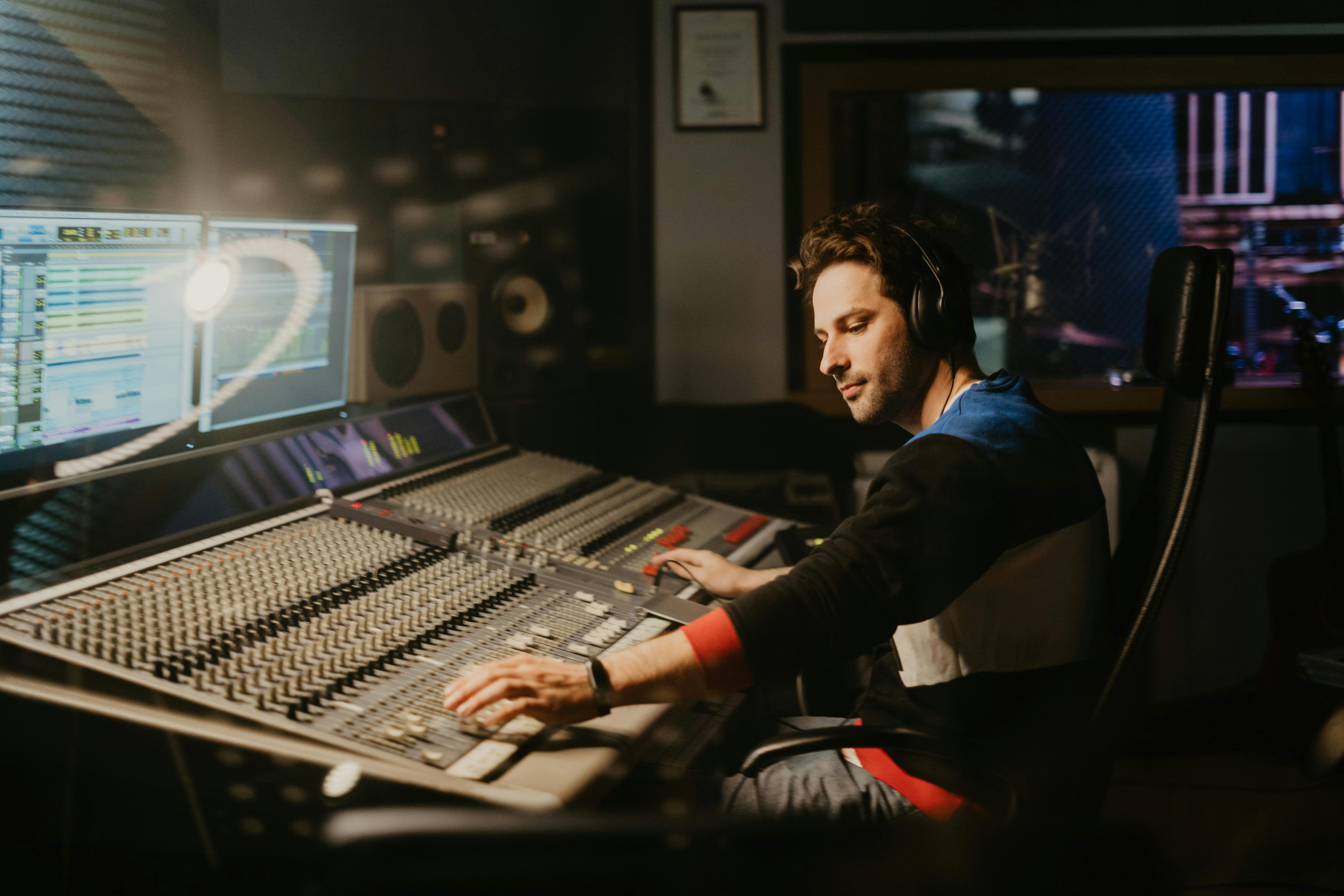
How to Fix Dialogue Drowned by Music in Short Dramas: EQ and Compression Tips for Phone Playback
The biggest frustration for short drama viewers isn't the plot twists or cliffhangers—it's straining to catch every line of dialogue because the background music swallows it whole, especially on a phone's tiny speaker during a commute or quick scroll.
Short dramas (also called micro-dramas or mini-series) exploded in popularity, with apps like ReelShort and DramaBox leading the charge. Sensor Tower data shows users spent an additional 5.78 billion hours on these apps in 2025 compared to the prior year, while in-app revenue for the category hit nearly $3 billion. Omdia reports that in the US, platforms like ReelShort averaged 35.7 minutes of daily viewing per user in late 2025—outpacing Netflix's 24.8 minutes and Disney+'s 23 minutes on mobile. These bite-sized episodes, often 60-90 seconds, are built for vertical, phone-first consumption, yet audio mixing frequently lags behind the format's demands.
The core issue stems from how smartphone playback works. Built-in speakers emphasize mid-to-high frequencies but struggle with low-end clarity and overall dynamic range. Compressed streaming audio (common to prevent buffering) further muddies things, and when music sits in similar frequency ranges as voices—typically 300 Hz to 3 kHz—dialogue gets buried. A DTS survey found 97% of viewers prioritize clear dialogue intelligibility above other audio qualities when watching TV or video, yet complaints about "muddled" sound drive many to turn on subtitles even on phones (a Preply study noted over half of Americans do this for streaming content).
To fix this in short drama production, focus on mobile-first EQ and compression that prioritizes dialogue without flattening the emotional punch of the score.
Start with EQ on the dialogue track before anything else. A high-pass filter at 80-120 Hz removes rumble and proximity effect mud without thinning the voice. Then carve out space: gently cut 200-500 Hz if the voice sounds boxy, and notch conflicting areas in the music bus (often dipping mids around 1-4 kHz where speech presence lives). Many pros recommend subtractive EQ first—clean up problems before boosting—to keep the compressor from reacting to unwanted buildup.
For compression, aim for natural leveling rather than heavy squashing. Use a ratio of 2:1 to 4:1 with a threshold that catches peaks but lets dynamics breathe (typically 3-6 dB gain reduction). Fast attack (5-10 ms) tames transients, while medium release (50-100 ms) avoids pumping. Follow with makeup gain to restore perceived loudness. Sidechain compression on the music bus—ducking it 3-6 dB when dialogue hits—proves especially effective for mobile, ensuring voices punch through without constant manual volume rides.
Target levels matter: aim for dialogue averaging -6 to -12 dB LUFS, music -18 to -25 dB, checked on actual phone speakers or earbuds. Test mono compatibility too—many phones sum stereo to mono, which can cause phase issues that kill clarity.
These aren't theoretical tweaks. Post-production experts (from podcast and film mixing guides by NPR and Sound Radix) stress that gentle, targeted processing preserves natural speech while making dialogue intelligible across devices. In short dramas, where every second counts, nailing this separation turns passive scrolling into addictive viewing.
Producers who master mobile audio see higher retention and fewer drop-offs—because when viewers can actually follow the story without cranking the volume or reading subtitles, they stay for the next episode.
If you're creating or localizing short dramas, subtitles, dubbing, or data annotation in multiple languages, partnering with specialists makes a difference. Artlangs Translation brings over 20 years of language service experience, with 20,000+ certified translators in long-term partnerships. The company excels in translation services, video localization, short drama subtitle localization, game localization, short dramas and audiobooks multilingual dubbing, plus multilingual data annotation and transcription—handling 230+ languages with proven results in high-volume, culturally nuanced projects.




