
How Smart Script Annotation Turns Short Drama Dubbing into Native-Sounding Experiences
Short dramas move fast. A single episode packs betrayal, flirtation, power plays, and sudden shifts in under two minutes. When those stories cross borders, the script has to carry more than meaning—it has to carry distinct voices that stay consistent even when one actor covers three roles in the same session.
The usual friction shows up right there. A character’s sharp sarcasm softens into something bland. The brooding anti-hero loses the edge that made him magnetic. Emotional arcs flatten because the adapted text leaves too much open to interpretation. Voice actors guess at intent, directors call endless retakes, and viewers notice the seams. On platforms where attention lasts seconds, that inconsistency quietly kills completion rates.
A large-scale analysis of 319 hours of professionally dubbed material from 54 titles underscored what production teams already sense: human dubbers consistently rank natural speech rhythm and emotional continuity above rigid lip-sync or exact character-length matching. Timing flexes. Overlaps happen. What refuses to bend is the need for the performance to feel lived-in rather than assembled.
That finding points straight at the script stage. Treating the translated dialogue as a performance map instead of a word swap changes the outcome. The process starts with a living character bible built before any lines are adapted. Age, background, core motivations, how the person speaks under stress or during a power shift, recurring emotional triggers, even preferred pitch and rhythm references—all of it goes in. Translators and adapters then work from those profiles rather than isolated sentences.
Inside the script itself the markup gets specific. Instead of vague stage directions, lines carry practical cues: “quiet venom, voice dropping on the last word,” “bright and teasing, accelerating with the joke,” or notes on pause length and emphasis. Color-coding by character or simple shorthand for tone lets versatile performers switch roles without losing the thread. Cultural reshaping happens at the same time—humor, confrontation styles, and flirtation rhythms adjusted so they land naturally in the target language rather than sounding transplanted.
The market numbers explain why this level of care pays off. Omdia data puts global micro-short drama revenue at $11 billion in 2025 and projects $14 billion by the end of 2026, with markets outside China contributing $3 billion and the United States emerging as the largest international territory. Viewers in these expansion markets already spend more daily minutes on short-drama apps than on some major streaming services. Content that feels emotionally coherent keeps them watching and unlocking the next episode. Content that drifts does not.
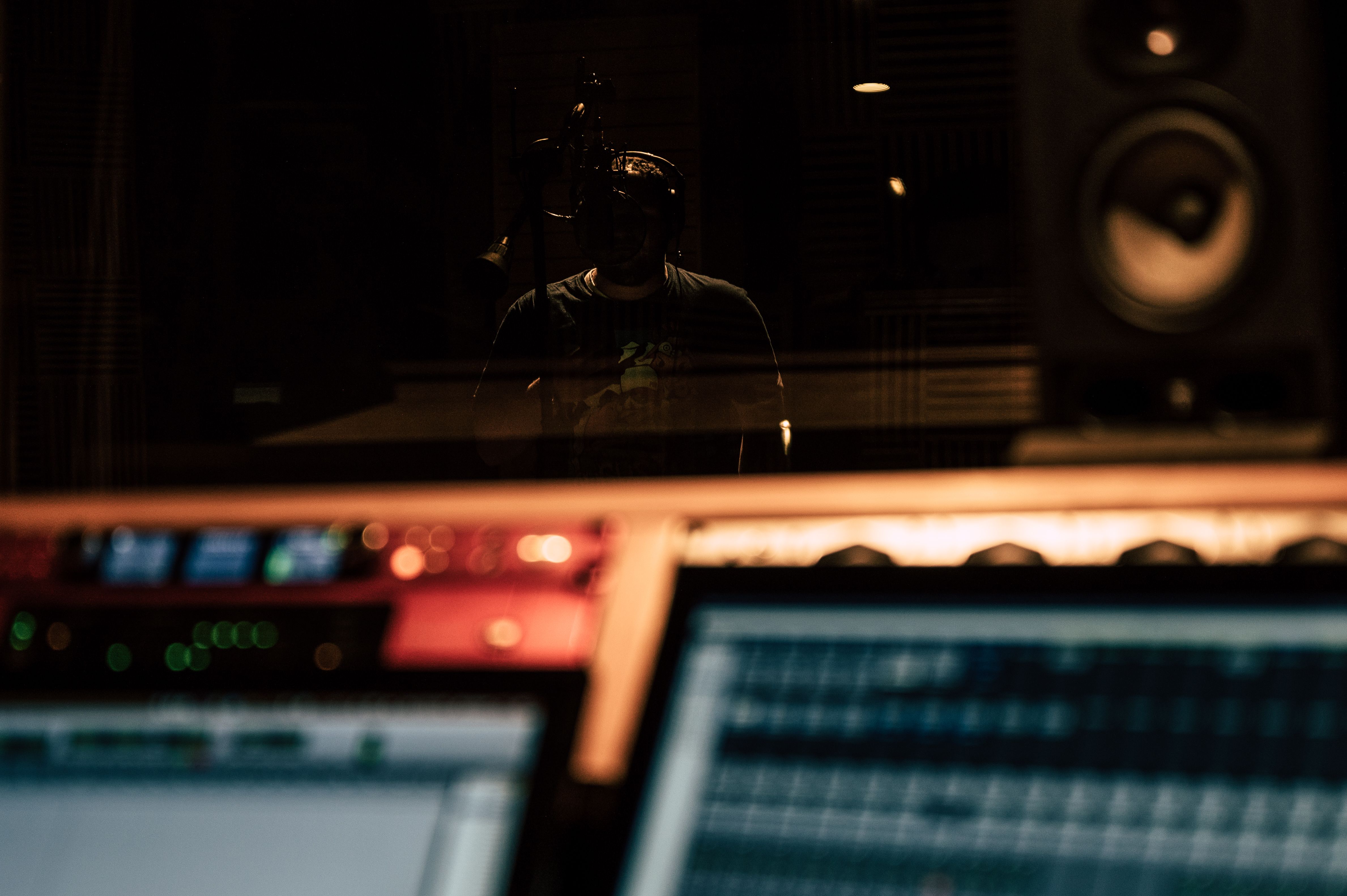
Remote recording adds another layer. When actors work from separate spaces, mismatched mic characteristics and room tone can make voices sound as if they belong to different productions. Clear upstream annotation reduces the guesswork that amplifies those technical differences. Directors still shape the takes, but they start from a shared reference rather than rebuilding character intent on the fly.
The same principles apply whether the final delivery uses human talent, carefully directed AI voices, or a hybrid. Weak adaptation upstream cannot be rescued downstream. Strong annotation and character-driven rewriting give both human performers and synthesis systems something solid to work with.
Teams that treat multi-role short-drama scripts as performance documents rather than translation exercises consistently report fewer retakes, tighter emotional continuity across episodes, and higher retention in new markets. The difference is audible in the finished track: voices that stay distinct yet belong to the same world, delivery that matches the visual energy, and dialogue that sounds as if it was written for the audience hearing it.
Providers with deep experience in this exact workflow make the difference practical at scale. Artlangs Translation has spent more than twenty years refining multilingual services across 230-plus languages, backed by a network of over 20,000 professional collaborators. The company has built particular strength in video localization, short-drama subtitle and dubbing work, game localization, audiobook multilingual voice production, and the data annotation and transcription that supports consistent multi-character pipelines. Those capabilities turn the annotation and adaptation practices described here into repeatable results rather than one-off efforts.




