
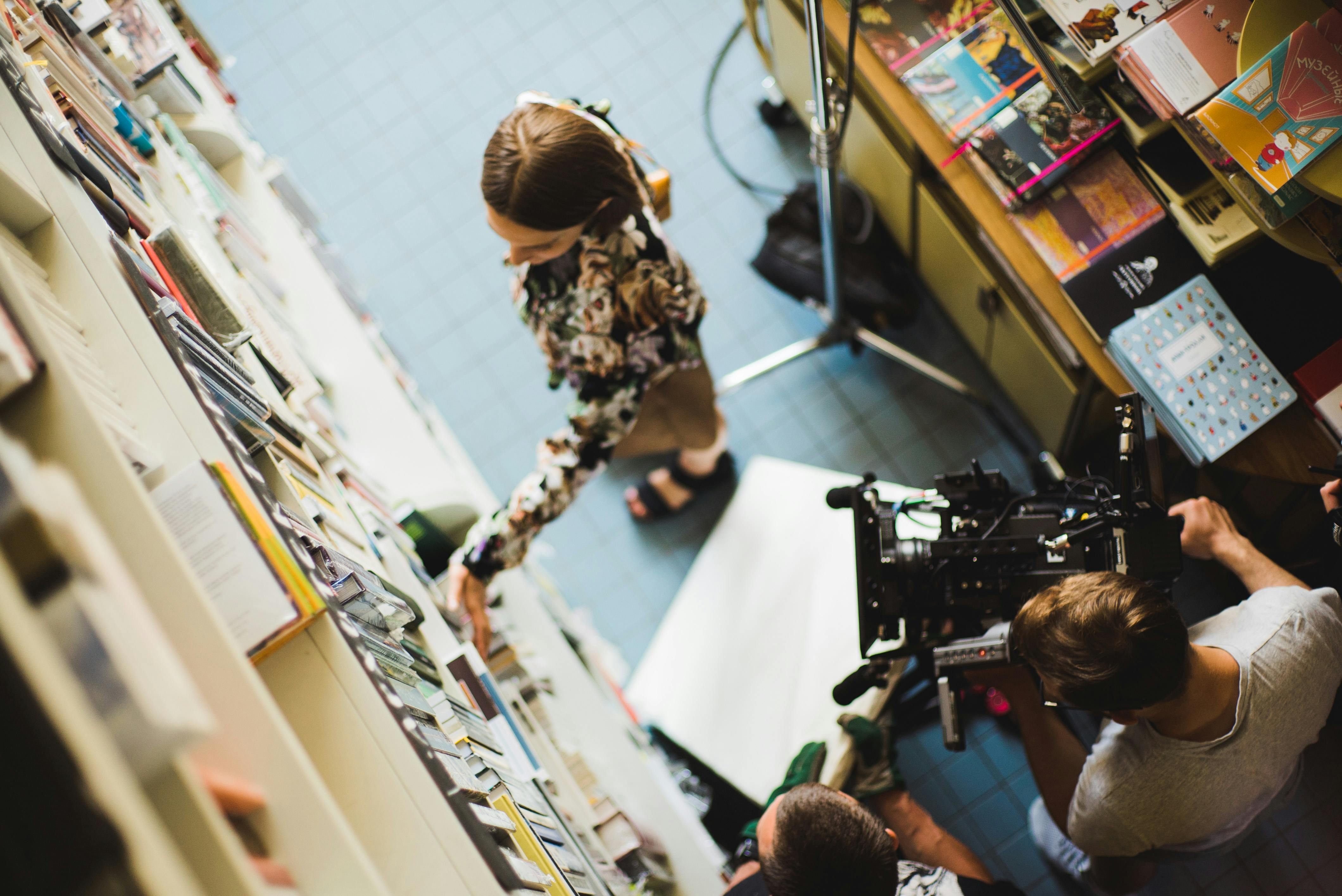
How Accurate Transcripts Turn Chaotic Video Footage into a Searchable Enterprise Asset Library
Turning raw video footage into something teams can actually rely on and reuse doesn't happen by accident. It begins with transcripts that don't let you down when the audio gets messy.
Anyone who's dealt with corporate videos, panel discussions, field interviews, or even internal training sessions knows the drill: you hit play on an hour-long recording expecting quick progress, only to watch the clock crawl as manual transcription eats an entire afternoon—or longer. Worse, the output arrives riddled with mistakes: industry jargon twisted into something unrecognizable, acronyms mangled beyond repair, entire sentences flipped because of a heavy accent or crosstalk. Editors end up wasting even more time hunting for the right clip because nothing is time-stamped. Frustration builds fast, deadlines slip, and that "valuable archive" of footage starts feeling more like dead weight.
Recent 2025–2026 benchmarks lay the reality bare. On pristine, single-speaker audio with neutral accents, leading AI tools can hit 95–98% accuracy. Push into the real world—background hum from an office, people talking over each other in a meeting room, regional dialects, or non-native English speakers—and the numbers slide hard. Independent tests show drops to 70–85% in noisy or multi-speaker setups, with some reports noting averages dipping below 80% when accents get thick or jargon-heavy. Heavy accents and dialects alone can push error rates 30–40% higher than baseline in many cases, according to sources like GoTranscript's 2026 real-world benchmarks and AssemblyAI's evaluations. One analysis even flagged Scottish English pushing word error rates over 17% in certain models, while non-native speakers face systematically worse outcomes. Those aren't edge cases; they're everyday for global teams recording exec roundtables, client testimonials, or cross-border workshops.
The fallout is predictable. A single misinterpreted term—“synergy pivot” becoming “senior pivot” or worse—can throw off strategy docs, compliance reviews, or marketing claims. Teams spend hours fixing what should have been right the first time. Pure AI speed feels great until you realize the cleanup negates most of the gain.
That's where the human touch still carries weight. Hybrid workflows—AI draft followed by skilled review—routinely deliver 99%+ accuracy, even when the recording is far from ideal. Specialists catch the nuance: distinguishing overlapping voices, decoding mumbled technical slang, respecting the intent behind a strong accent. It's not about rejecting technology; it's about knowing when to layer judgment over automation. In high-stakes areas like legal discussions or sensitive research interviews, that difference turns unusable output into something trustworthy.
Then there's the formatting that actually helps downstream work. Plain text transcripts are flat and forgettable. Add precise timecodes—whether every few seconds, at speaker changes, or tied to key phrases—and suddenly the document becomes a living index. Editors say it cuts search-and-locate time dramatically; some workflows report 40–50% faster post-production on interviews or panels simply because you can jump straight to “14:22 – budget concerns raised” instead of scrubbing endlessly. One content team tracked a month of projects and found timestamped versions saved them dozens of hours overall, letting them repurpose clips quicker for social snippets, reports, or updated training modules.
Layer on smart extras like keyword highlighting or concise summaries of recurring themes, and the value compounds. A year's worth of leadership talks becomes instantly queryable: pull every mention of “sustainability goals” or “market expansion risks” without re-watching hours of video. That turns scattered assets into a genuine, searchable library—something people actually reach for instead of burying in a drive.
The smartest path forward isn't all-AI or all-manual; it's thoughtful combination. Let fast tech handle the straightforward parts, then bring in experienced ears for the parts that matter most: dialects, crosstalk, domain language. The result? Transcripts that are accurate, structured, and genuinely useful—freeing teams to focus on creativity and strategy rather than endless fixes.
For companies juggling multilingual or international content, the right partner makes this seamless. Artlangs Translation has spent more than 20 years honing exactly these skills: video localization, short-drama subtitling, game localization, audiobook dubbing, plus precise multilingual transcription and data annotation. Backed by over 20,000 certified translators in stable, long-term partnerships and true command of 230+ languages, they turn tough audio realities into clean, reliable, time-coded deliverables that hold up across borders and projects.




