Getting Crystal-Clear Transcripts from Messy Real-World Audio: What Actually Works
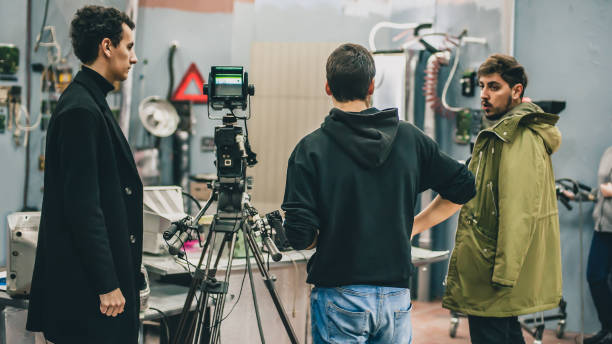
There’s something uniquely exhausting about staring at an hour of raw footage—cafe chatter bleeding into every sentence, panelists interrupting each other, or talent delivering lines with a thick regional accent that generic software simply can’t parse. Producers and localization teams live this reality constantly. What looks like a simple transcription task balloons into five exhausting hours of rewinding, guessing, and cleaning up nonsense. The final script arrives flat, without time markers, forcing editors to scrub through timelines like detectives. The whole process drags production to a halt.
I’ve seen teams lose sleep over it. The frustration is real because the stakes keep rising—accurate words matter when you’re turning that audio into dubbed versions, subtitles, or localized content for global audiences.
The Gap Between Hype and Harsh Reality
Lab-tested speech-to-text tools love to boast 95-98% accuracy on pristine studio recordings. Throw them into the wild—background noise, overlapping voices, heavy accents—and things fall apart fast. Real-world benchmarks show accuracy often dropping to 70-85% or even lower in noisy or multi-speaker settings. Overlapping dialogue confuses who said what, while strong accents or dialects push error rates much higher.
It’s not just annoying. A garbled transcript means lost meaning, misquoted insights, and endless revision cycles that eat into budgets and deadlines. For dubbing and subtitling projects especially, even small mistakes compound into noticeable sync or tone issues later on.
Making 99% Accuracy Possible in Tough Conditions
The secret isn’t chasing one perfect AI tool. It’s building a smarter workflow that respects the messiness of real audio.
Start by cleaning the signal where you can—noise suppression and voice enhancement tools give the transcription engine a fighting chance. Then feed it specialized models trained on diverse speech patterns rather than generic ones. Custom dictionaries for industry jargon, names, or local slang make a surprising difference.
But technology alone rarely gets you all the way there. The real breakthrough comes with thoughtful human intervention. Experienced listeners—especially native speakers attuned to specific dialects or cultural nuances—step in to review and correct the tricky sections. They pick up on sarcasm, context, mumbled phrases, and emotional undertones that algorithms still miss. This hybrid approach consistently delivers the 99% accuracy mark that pure automation promises but rarely achieves in the field.
Precise timecoding changes everything. When every meaningful segment carries an accurate timestamp, editors can jump instantly to the right moment. No more endless scrubbing. For dubbing teams, it means voice actors sync naturally with the original timing. For subtitlers and post-production crews, it turns a plain text file into a precise roadmap.
Beyond the verbatim script, pulling out keyword summaries and key themes adds another layer of usefulness. Suddenly your transcript isn’t just documentation—it becomes a searchable, strategic asset for content planning and multilingual adaptation.
Teams that adopt this layered method often report cutting post-production time dramatically. One documentary crew working with field interviews across different dialects halved their editing load. Short drama localization projects see fewer revision rounds and smoother dubbing sessions when the foundation script is rock-solid and timed right.
Why the Human Touch Still Wins
AI excels at scale and speed, but it lacks judgment in ambiguous, emotionally charged, or culturally rich moments. That’s where seasoned professionals shine. They understand not just the words, but the intent behind them—crucial when your final product will reach audiences in dozens of languages and cultures.
It’s this blend of cutting-edge tools and deep human expertise that turns painful audio challenges into reliable, high-quality deliverables.
Artlangs Translation has been mastering exactly these workflows for over 20 years. With a vast network of more than 20,000 professional collaborators and true proficiency across 230+ languages, the team specializes in translation, video localization, short drama subtitling, game localization, multilingual dubbing, and detailed multi-language data annotation and transcription. They turn noisy, accented, or multi-speaker recordings into accurate, timecoded scripts complete with keyword insights—assets that keep demanding production schedules on track and final localized content sounding natural and authentic.