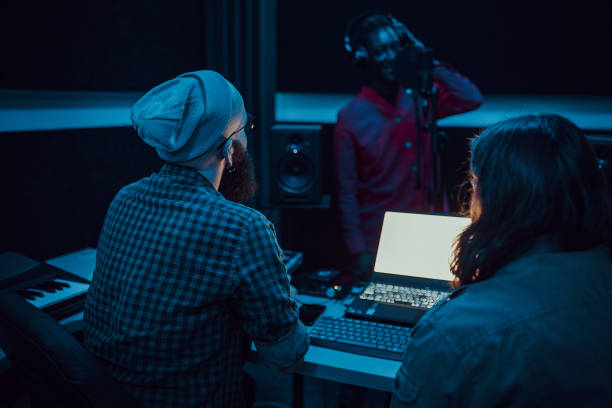
From Raw Interview Audio to Tight Game Dialogue: How Precise Transcription Unlocks Better Localization
Turning raw interview recordings into tight, playable game scripts is one of those unglamorous but make-or-break steps in localization. Developers and audio teams often end up with hours of messy voice files—developer chats, voice actor direction sessions, playtester feedback, or even early story meetings captured on whatever device was handy. The goal is simple on paper: extract clean dialogue, spot the emotional beats, and shape it all into something actors can deliver naturally in another language. In practice, it’s a grind of deciphering overlapping talk, heavy accents, background hum from convention floors or home studios, and the kind of industry shorthand that leaves non-native listeners scratching their heads.
The real cost of messy audio
Anyone who’s tried feeding a multi-speaker recording straight into off-the-shelf speech-to-text knows the frustration. Benchmarks from 2026 show that even leading AI systems hit 95-98% accuracy on clean studio takes, but numbers drop fast once real life creeps in. In noisy environments or with overlapping voices—exactly what you get from group playtests or heated design discussions—accuracy commonly lands between 70-92%, and average platforms struggle closer to 62% on typical business-style audio with background noise and varied accents.
For game teams working across time zones, that gap isn’t just annoying. It means hours of manual cleanup before anyone can even think about translation or dubbing. Non-native speakers on the localization side face an extra layer: missing the nuance in regional slang, developer jargon (“we need more juice on the hitstop”), or culturally loaded expressions that don’t travel well. Manual transcription helps, delivering 99%+ accuracy in tough conditions, but at $1.50–$4 per audio minute it quickly eats budgets, especially when you’re juggling hundreds of lines across multiple languages.
Why precise timecodes matter more than you think
Once you have a workable transcript, the next headache is timing. Dubbing and subtitling live or die by synchronization. A solid time-coded script lets directors and voice actors hit emotional peaks exactly where the animation or gameplay demands it. Without reliable timestamps—ideally at the start of each speaker turn or every few seconds—you waste time scrubbing through waveforms trying to match lines to mouth movements or cutscene cues.
Services that specialize in media transcription often bake in customizable timecodes as standard. This becomes essential for panel-style developer interviews or multi-character dialogue recordings where speakers interrupt and overlap. The output isn’t just text; it’s a blueprint that translation teams can work from without constantly cross-referencing the original audio. In game projects, where lip-sync and performance timing directly affect player immersion, skipping this step almost guarantees rework later.
Handling accents, dialects, and “that one dev who mumbles”
Game audio rarely comes in textbook English. Voice actors might lean into regional flavors for character, developers record quick notes with thick accents after long crunch sessions, or international team calls mix mother-tongue speakers. Pure AI still trips here—error rates climb noticeably with heavy or underrepresented accents, sometimes by 15-25% compared to standard native speech.
This is where human review adds real value. Professional teams combine initial AI passes for speed with targeted human editing focused on context, slang, and technical terms. The result is a cleaner base script that captures intent rather than just phonetics. For localization into markets like Japan, Korea, or Latin America, getting the tone and cultural references right early prevents costly re-recording sessions downstream.
One practical workflow that many studios land on: start with high-accuracy automated transcription tuned for the source language, then hand off noisy or accented segments for human polishing. Add speaker identification where possible so each character or dev stays distinct. Finally, layer in keyword extraction and summarization to pull out core themes—key plot points, mechanic explanations, emotional arcs—that guide the script adaptation without losing the original spark.
From scattered audio to focused script: a workable path
Here’s how the process often unfolds when done right:
Upload and initial pass — Feed the raw files (even low-quality ones) into a robust transcription engine. Modern tools handle compression and some noise better than they did a few years ago, though overlapping speech remains tricky.
Human calibration — Review and correct sections with heavy accents, industry lingo, or poor recording conditions. This step is faster when the AI has already done the heavy lifting.
Timecode integration — Insert precise timestamps tied to speaker changes or natural pauses. This creates a dubbing-ready or subtitling-friendly document.
Keyword and summary layer — Pull out recurring terms, decision points, and narrative beats. These become anchors for translators, helping them preserve consistency across long scripts or multiple characters.
Script shaping — Rearrange the cleaned dialogue into logical flow—group related exchanges, trim filler, highlight delivery notes (tone, pacing, emotion). What starts as rambling conversation becomes tight, actable lines that feel native in the target language.
Teams that follow something like this report cutting overall turnaround significantly while keeping quality high enough for professional dubbing. The hybrid approach respects the strengths of both automation (speed on volume) and human ears (context and cultural fluency).
Making it pay off for global releases
In an industry where localization windows keep shrinking and player expectations for natural-sounding dialogue keep rising, investing in solid transcription upfront saves pain later. Poor source scripts lead to flat performances, mismatched timing, or dialogue that feels “translated” rather than lived-in. Good ones give voice directors and actors room to breathe, letting them adapt delivery to local sensibilities without fighting the text.
Whether you’re an indie studio recording remote voice sessions or a larger team handling franchise-level assets, the principle holds: treat the messy audio as raw material, not the final word. Combine smart tools with experienced review, demand accurate timecodes, and don’t underestimate the value of pulling clear insights from the chaos. The end result isn’t just a usable script—it’s dialogue that lands emotionally in every market, turning what could have been a localization bottleneck into a smoother path to global players.
If your current pipeline still involves painful manual scrubbing or unreliable outputs from generic tools, exploring specialized dubbing, listening, and transcription support tailored to games can change the equation. The difference shows up in cleaner recordings, faster iteration, and voices that actually connect.