
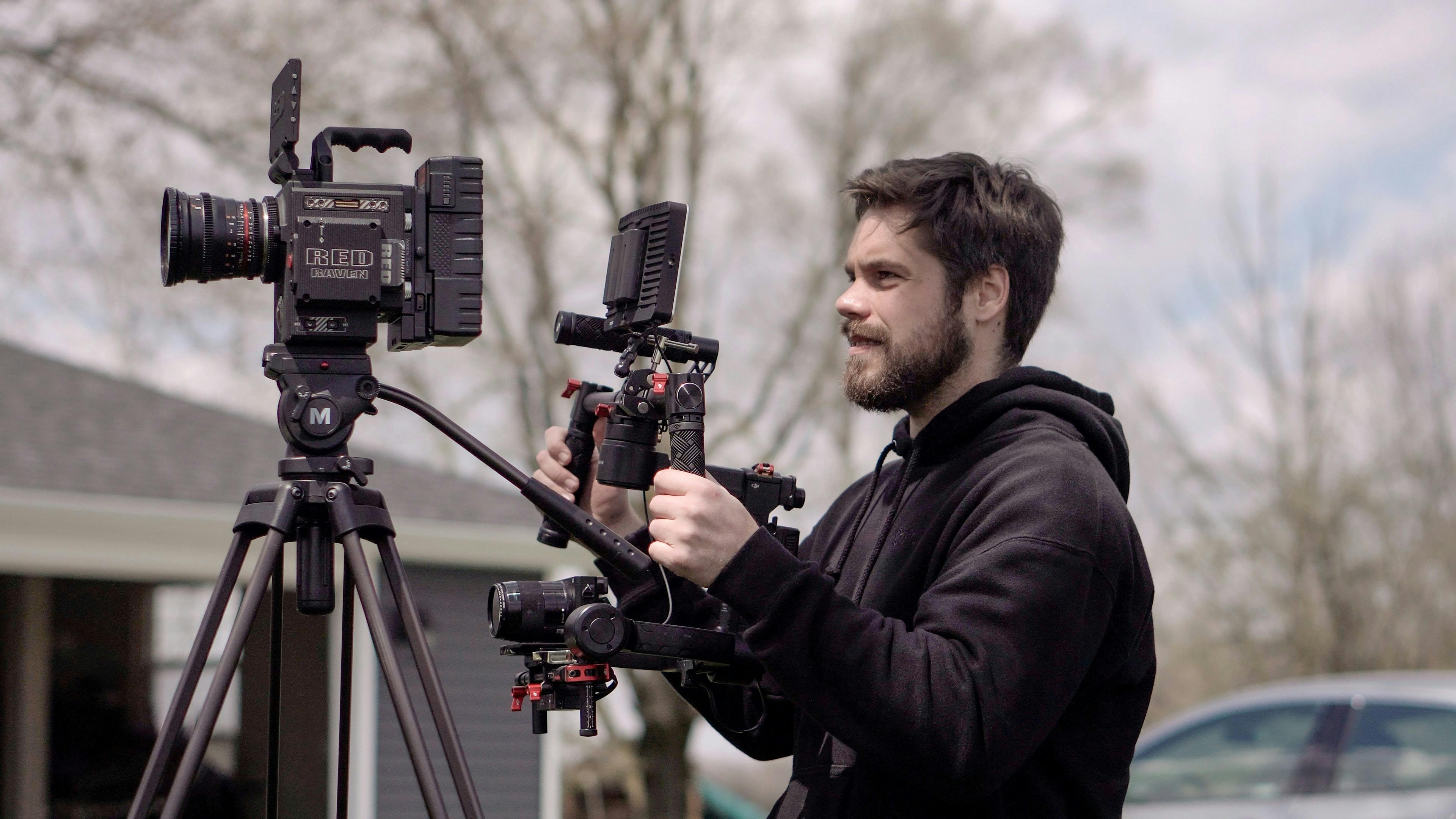
From Messy Interview Audio to Polished Script: Mastering High-Accuracy Transcription in Noisy Settings and Heavy Accents
Turning raw interview audio into a tight, usable script isn't glamorous work—it's the kind of task that quietly determines whether your final video, podcast episode, or documentary lands with impact or falls flat. The real challenge hits when the recording isn't pristine: multiple voices overlapping in a lively panel discussion, background chatter from a busy café, or speakers with thick regional accents and industry jargon thrown in. These aren't edge cases; they're everyday realities for journalists, filmmakers, researchers, and content creators who deal with authentic conversations.
One major headache is terminology gone wrong. Industry-specific lingo, acronyms, or even casual abbreviations can get mangled by automated tools, twisting the meaning of an entire segment. A single misheard term in a tech or medical discussion can undermine the credibility of the whole piece. Recent benchmarks show this isn't minor. In real-world conditions—think noisy environments, multiple speakers, and varied accents—average AI transcription accuracy hovers around 61-80%, sometimes dipping below 60% for particularly tough audio. Human-reviewed services, by contrast, consistently hit 99% or higher, especially when domain expertise comes into play.
Then there's the time sink. Listening to an hour of raw audio and typing it out manually often takes 4-6 hours, sometimes more if you're pausing repeatedly to catch overlaps or unclear phrases. That multiplies quickly across a project with several interviews. Professional services cut this down dramatically—often delivering a first pass in minutes via hybrid AI-human workflows, with final polished output in hours rather than days—freeing up creators to focus on storytelling instead of grunt work.
Format issues compound the frustration. Hand over a wall of text without timestamps, and your editor spends ages scrubbing through the timeline trying to match quotes to moments. Timestamps (or timecodes) change that entirely. They act as precise anchors, letting anyone jump straight to a specific line in the audio or video. For video editing, this is invaluable: editors can locate soundbites instantly, sync subtitles accurately, or pull clips for trailers without guesswork. In documentary or multi-source projects, timecoded transcripts become the backbone of organization, ensuring nothing gets lost in the shuffle.
Heavy accents and dialects add another layer of difficulty. AI models trained mostly on standard varieties struggle here—error rates can spike significantly for non-native or regional speakers, with some studies showing gaps of 10-20% or more compared to mainstream accents. Overlapping speech in group settings makes speaker identification (diarization) unreliable too. The fix often comes down to human oversight: experienced transcribers familiar with specific dialects or accents can catch nuances that algorithms miss, then refine the output for clarity without losing the original voice.
So how do you actually transform scattered recordings into a logical, script-ready narrative? Start with a solid transcription foundation—ideally one that includes speaker labels, timestamps at regular intervals (every few lines or speaker changes), and notes for non-verbal cues like laughs or pauses if they're meaningful. From there:
Review and clean: Go through the draft to fix terminology errors, especially technical terms. Cross-reference with any provided glossaries or context from the interviewee.
Structure for flow: Break the content into thematic sections or chronological beats. Cut redundant filler while preserving natural rhythm—aim for "clean verbatim" that reads smoothly but stays faithful.
Highlight key moments: Pull out quotable lines, insights, or emotional peaks. Add summaries or keyword tags for quick reference.
Incorporate abstracts: For longer pieces, extract a concise keyword summary at the top—bullet points of main topics, standout quotes, and timestamps—to guide editors or producers.
This process turns chaos into something directors and cutters can work with efficiently. It's not about perfection on the first try; it's about building layers of accuracy and usability.
When the source material involves diverse languages, strong accents, or specialized content, partnering with specialists makes a real difference. Artlangs Translation stands out here, with over 20 years of focused experience in translation services, video localization, short drama subtitling, game localization for short-form content, multilingual dubbing, and data annotation/transcription for audio projects. Supporting more than 230 languages and drawing on a network of over 20,000 professional linguists and collaborators, they've handled countless complex cases—from noisy field interviews to dialect-heavy narratives—delivering precise, timecoded scripts that hold up under tight deadlines. If you're wrestling with raw audio that needs to become polished, reliable script material, their hybrid approach to dubbing, listening, and transcription often provides the edge that keeps projects moving forward smoothly.




