Fast Turnaround Short Drama Dubbing: How to Localize Before the Trend Fades
The short drama boom has turned the entertainment landscape upside down, and nowhere is that clearer than in the numbers. In Q1 2025 alone, global in-app revenue from short drama apps hit nearly $700 million—almost four times what it was in the same quarter the previous year, according to Sensor Tower data. Leading platforms like ReelShort and DramaBox pulled in $130 million and $120 million respectively during that period, with cumulative earnings reaching hundreds of millions. The U.S. market has proven especially lucrative, often accounting for 50-60% of global revenue outside China.
This explosive growth comes with a catch: these bite-sized series thrive on speed. Episodes drop daily or even multiple times a day to feed algorithms and keep viewers hooked on cliffhangers. Producers who wait weeks for localization risk watching a viral hit fade before it reaches new audiences. The common complaint in the industry is blunt—"By the time we localize, the trend is over."
The key to staying ahead lies in a streamlined fast-turnaround dubbing workflow that prioritizes speed without letting quality slip. Here's how top teams are making it happen in practice.
1. Start with Parallel Processing from Day One
The old sequential model—finish the original, then translate, then dub—simply doesn't work anymore. Forward-thinking producers build localization into the production pipeline. As soon as a script is locked and rough cuts arrive, translation teams receive segmented scripts (broken into 30-60 second bursts matching episode pacing). This allows dubbing prep to run alongside final editing.
Sensor Tower and industry reports show that successful apps release localized versions within days of the original launch in key markets. Delaying by even a week can mean missing peak virality on platforms like TikTok or dedicated apps.
2. Leverage Hybrid Human-AI Dubbing for Speed and Nuance
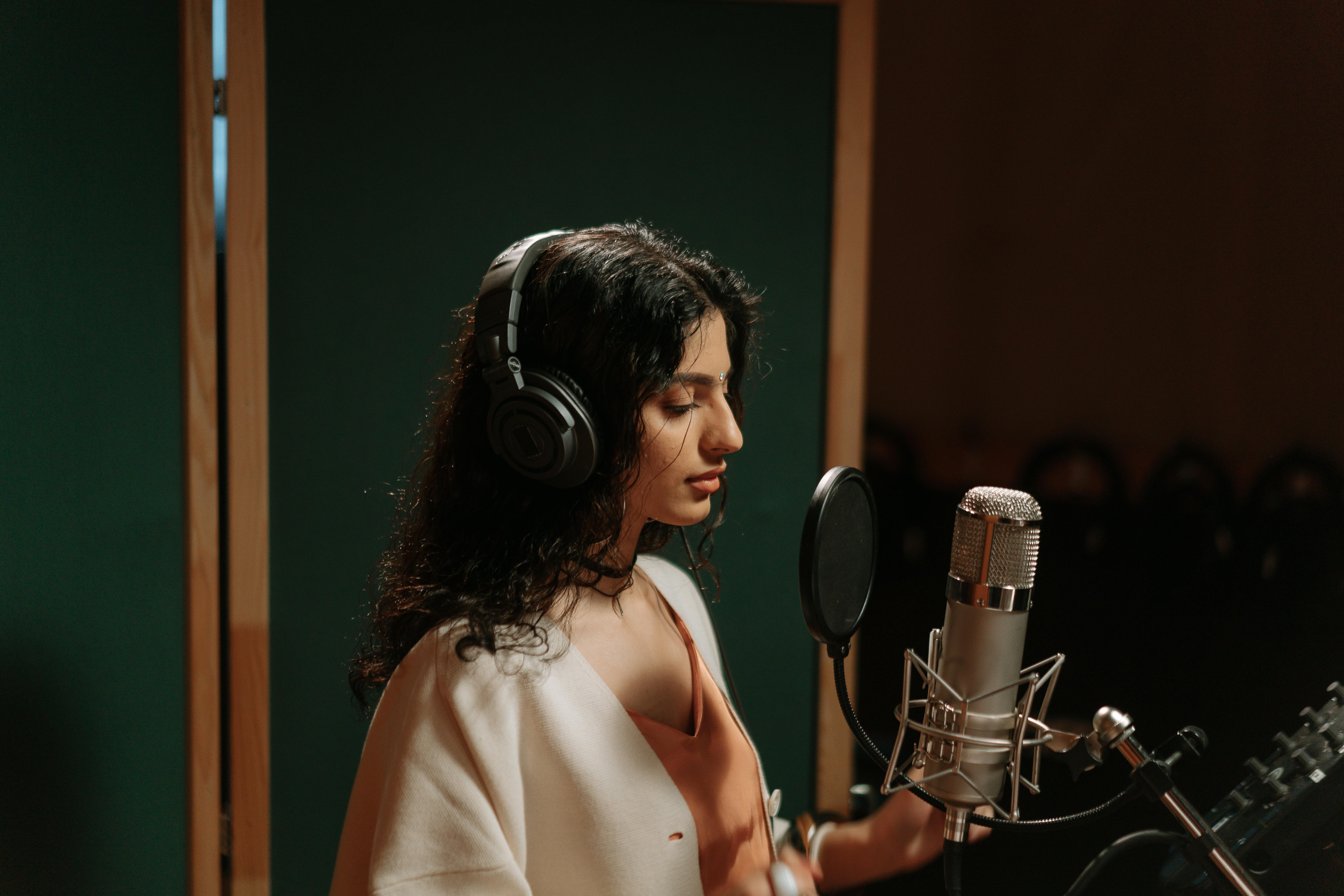
Pure AI dubbing has improved dramatically, with neural voice cloning and lip-sync tools cutting production time from weeks to hours. But for short dramas—where emotional delivery in romance, revenge, or CEO tropes makes or breaks viewer retention—human oversight remains essential.
The most effective approach is a hybrid model: AI generates initial dubs (handling timing, basic sync, and volume processing), then professional voice actors refine emotional beats, cultural idioms, and lip-matching precision. This slashes costs by up to 80% while keeping turnaround realistic—often 48-72 hours per language for a full series batch.
Recent case studies from localization providers highlight how this method maintains immersion in fast-paced scenes, where mismatched timing can kill engagement.
3. Build a Tight Quality Control Loop
Speed doesn't mean skipping checks. The best workflows incorporate rapid, multi-layer QA:
Automated sync checks flag timing issues immediately.
Native-speaker reviewers focus on cultural fit and natural flow (e.g., adapting slang without losing punch).
Final director/producer sign-off on key emotional moments.
Teams that use this layered approach report fewer post-release re-dos and higher completion rates.
4. Scale with Pre-Approved Talent Pools and Tools
Consistency matters when you're dubbing into 10+ languages weekly. Successful operations maintain rosters of vetted voice talent familiar with short-drama styles, plus pre-trained AI voice models. Batch processing—running multiple languages simultaneously—further accelerates delivery.
In practice, this means a hit series filmed in China can hit English, Spanish, French, and Southeast Asian markets almost in tandem, capitalizing on global trends before they cool.
The result? Producers who master this workflow aren't just localizing content—they're turning localization into a competitive edge. In a market where trends last days rather than months, the ability to dub quickly and convincingly keeps revenue flowing and audiences growing.
For companies navigating this high-stakes space, partnering with specialists makes all the difference. Artlangs Translation stands out here, with deep expertise across 230+ languages and years of focused work in video localization, short drama subtitling, game-related shorts, audiobook narration, and multilingual dubbing plus data annotation/transcription. Their proven track record with numerous high-profile cases delivers the kind of reliable, high-quality turnaround that helps content stay relevant and profitable in today's relentless cycle.