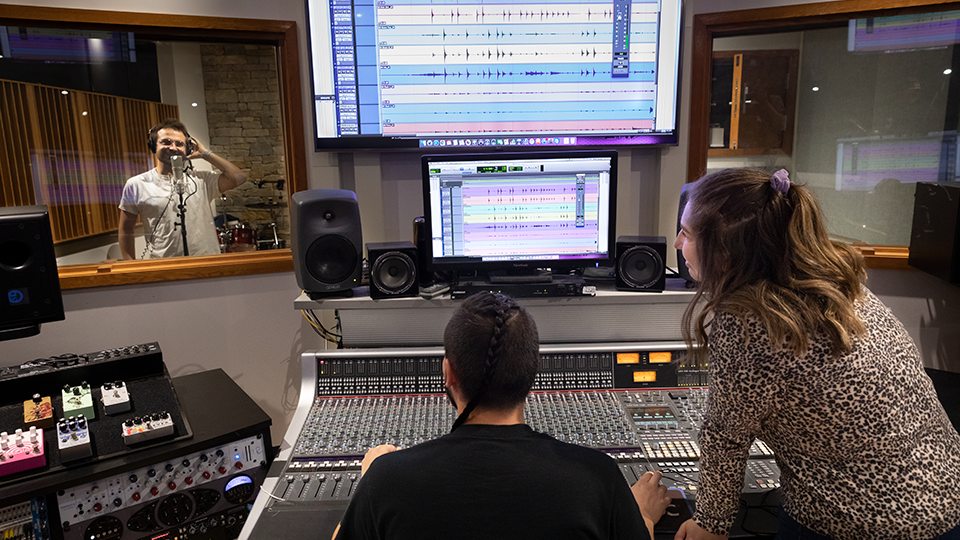
Directing Multi-Voice Dubbing: How to Make Remote Actors Sound Like They're in the Same Room
The biggest headache in multi-voice dubbing often comes down to one stubborn reality: actors recorded in separate rooms—or even different cities—rarely sound like they're sharing the same space. The voices end up feeling disconnected, with mismatched room tones, slight variations in reverb, or breathing patterns that don't quite align. Viewers notice it immediately, even if they can't put their finger on why the dialogue feels off. It's a problem that has plagued dubbing teams for years, especially as remote workflows became more common after the pandemic and with global projects demanding talent from multiple locations.
Directing a group of voice actors for one video isn't like herding a live theater cast. Traditional dubbing sessions used to bring everyone into the same booth, where natural overlaps, interruptions, and shared energy happened organically. But logistics, budgets, and now widespread remote setups mean actors often record their lines individually, watching the screen and listening to a guide track or the original audio. The result? Performances that can sound isolated, lacking the subtle interplay that makes conversations feel alive.
A large-scale study of professional human dubbing, analyzing over 319 hours of video from 54 titles, highlighted how much the source audio influences the final dub beyond just words—things like emphasis, emotion, and speech characteristics carry over in ways that isolated recordings struggle to replicate. The research challenged some old assumptions, showing that vocal naturalness and translation quality often matter more than strict lip-sync or isometric constraints, but timing and emotional transfer remain tricky when actors can't feed off each other in real time.
So how do experienced dubbing directors tackle this? The workflow starts long before anyone hits record.
First comes thorough preparation. The dubbing director provides each actor with a detailed character brief, scene context, and reference clips of the original performances. Netflix's guidelines emphasize casting voices that match age, gender, and tone closely, with the director overseeing sessions to preserve the creator's intent. For multi-character scenes, directors often share pre-recorded takes from other actors so everyone can react to the actual delivery rather than a flat guide track. Tools like Source-Connect allow real-time remote direction, where the director monitors and gives notes live, even if the actors are continents apart. This setup helps bridge the gap—actors can adjust pacing or intensity on the fly based on feedback.
During recording, directors focus on actionable direction: instead of vague notes like "more emotional," they might say, "Remember, your character just learned the betrayal—let that hesitation creep in right before the line, like you're holding back tears." They encourage physicality too—actors move, gesture, or even stand up to match the on-screen energy, which adds authenticity to the voice even in a small booth.
Post-recording is where the magic (and the fixes) happen. Sound engineers use EQ, reverb matching, and noise reduction to blend disparate room tones into a cohesive soundscape. In some cases, they add subtle shared ambience or Foley to simulate a common environment. The key is consistency: normalizing levels, matching proximity effect (how close a voice sounds), and ensuring breaths and pauses align naturally in the edit.
Industry data underscores why getting this right matters. The global dubbing and voice-over market was valued around $3.5–5.8 billion in recent years, with projections climbing to $7–9 billion by the early 2030s at CAGRs of 6–7%. Streaming giants have driven much of this, localizing content into dozens of languages to capture non-English audiences—over 65% of global video consumption happens in non-native languages. When the multi-voice blend works seamlessly, viewers stay immersed; when it doesn't, they disengage.
The best outcomes come from directors who treat remote multi-voice dubbing as a collaborative performance, not isolated line reads. They build in rehearsal time, use technology to simulate presence, and lean on post-production to unify the sound. It's more work than a single-voice narration, but the payoff is a dub that feels like it was recorded together from the start.
For projects that demand this level of polish across languages, specialized partners make a real difference. Artlangs Translation stands out here, with more than 20 years of focused experience in translation services, video localization, short drama subtitling, game localization for short dramas, and multilingual dubbing—including multi-voice and audiobook production. They work with over 20,000 certified translators and long-term voice partners, covering 230+ languages, and have delivered standout results on complex, high-volume multilingual content where vocal consistency and cultural nuance are non-negotiable.