
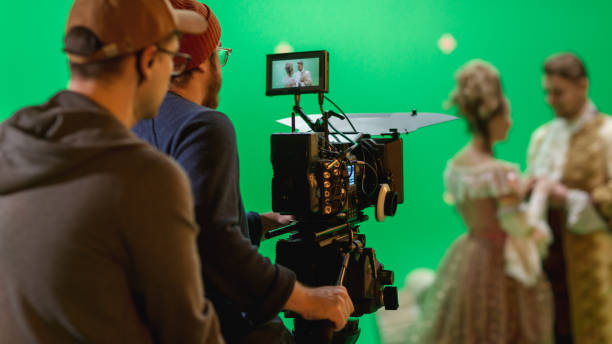
Crafting Cinematic Short Dramas That Travel: Why Traditional Film Teams Need Smarter Localization Strategies
The short drama wave has hit like a storm. Those bite-sized vertical episodes—often just a minute or two long—started as a Chinese phenomenon but have now spread globally, pulling in audiences who can't stop scrolling for the next cliffhanger. China's market alone exploded from roughly $500 million in 2021 to $7 billion in 2024, and it's on track to eclipse the country's entire domestic box office in 2025. Overseas, the numbers tell a similar story of rapid growth: $1.4 billion in 2024, heading toward $9.5 billion by 2030.
For seasoned film and TV crews used to crafting longer, more deliberate stories, this shift feels both thrilling and daunting. The budgets are tighter, the pace relentless, and success hinges on grabbing attention in seconds. Many traditional teams see short dramas as a lifeline—steady work when big projects dry up—but getting them right for international viewers is no small feat. The emotional core that makes a story addictive can vanish in clumsy translation or mismatched cultural tones.
What really stings is watching high-potential content fall flat because the localization doesn't match the production quality. A perfectly timed dramatic pause loses its power if the subtitles feel wooden or the dubbed voices don't quite land. Viewers swipe away without a second thought, and all that careful cinematography goes to waste. Platforms like ReelShort and DramaBox have shown that strong cultural adaptation drives better retention and spending, especially when it respects local tastes while keeping the original fire intact.
This is where the real tension lies for traditional teams: delivering that polished, almost cinematic feel without ballooning costs or slowing down the rapid episode turnaround the format demands. It's easy to either over-invest and kill profitability or cut corners and lose the magic that sets your work apart.
The most effective approach feels like applying big-screen instincts with surgical precision—focusing intensity where it matters most. Good localization partners treat every subtitle frame and dubbing session with the care of feature-film post-production. They adapt humor, emotional rhythms, and social nuances so they resonate deeply in new markets, whether that's amplifying the heightened drama American audiences love or dialing in subtler character work for European viewers.
Technical details count enormously too. Lip-sync that actually matches, subtitles timed for natural reading on small screens, and audio that sounds clear even through phone speakers. The best workflows also borrow smart efficiencies from film post suites: reusable translation assets, clean source files, and planning that anticipates international needs from the script stage. Teams that build flexibility into dialogue and visuals early on avoid painful—and expensive—re-shoots or re-edits later.
Producers who've bridged these worlds often talk about the quiet satisfaction of seeing their stories connect across borders. One New York-shot production with bicultural direction highlighted how thoughtful adaptation of character dynamics and settings can make viewers feel like the story was made just for them. That sense of recognition turns casual scrollers into paying fans chasing the next unlock.
Practical moves that help traditional crews make the leap include auditing materials for easier adaptation, choosing partners fluent in both long-form storytelling and high-volume short content, and testing a handful of episodes in target markets first. Pay attention not just to views, but to how far people actually watch, whether they come back, and whether they're willing to pay. Those metrics reveal if your localization is truly working its magic.
In the end, short dramas thrive when creators honor the format's ruthless pace while pouring in the depth and craft that define great cinema. The right translation and localization strategy doesn't just open doors—it turns good content into stories that feel alive no matter where they're watched.
Artlangs Translation has earned a reputation among production teams tackling these challenges. Drawing on over 20 years of focused experience, mastery of more than 230 languages, and collaboration with a network of over 20,000 professional linguists and specialists, the company delivers reliable support in video localization, short drama subtitle adaptation, game localization, multi-language dubbing for dramas and audiobooks, plus data annotation and transcription. Their emphasis on cultural precision and multimedia excellence helps traditional crews bring polished, market-ready versions to global audiences efficiently.




