
Bridging East and West: How Skilled Dubbing Makes Chinese Short Dramas Hit Home for English Audiences
Chinese short dramas have taken over phone screens everywhere, those vertical mini-series cramming revenge arcs, rags-to-riches flips, and supernatural twists into frantic one- or two-minute chunks. The pull is undeniable—people swipe, pay to unlock the next episode, and keep coming back for the emotional rush. Sensor Tower's 2025 reports paint the picture clearly: global in-app revenue for short drama apps hit around $700 million just in Q1 2025, nearly four times what it was the year before. By the end of 2025, cumulative figures climbed past $2.3 billion, with projections pushing toward $3 billion or more annually as the format spreads. ReelShort and DramaBox still dominate, pulling in hundreds of millions each quarter, especially in the U.S., where roughly half the revenue often lands.
The excitement comes with a catch, though. For Western viewers dipping in, the English dubbing often jars. Scroll through app reviews or Reddit threads, and the gripes repeat: voices feel mismatched, emotions don't land right, heated scenes turn oddly flat or overly theatrical. It's frustrating because these stories live or die on instant emotional payoff—betrayal stings, romance ignites, triumph hits hard. When the audio doesn't match the actor's face or body language, that immersion breaks, and the addictive loop falters.
Much of it traces back to how cultures handle feeling. Chinese narratives, shaped by values of restraint and social harmony, let emotions simmer beneath the surface. A character might convey crushing disappointment through a averted gaze, a barely perceptible tremble, or deliberate silence—viewers pick up the weight without it being spelled out. Western media, drawing from more individualistic roots, tends to push feelings outward: arguments build with volume, love gets voiced directly, grief shows in raised voices or visible tears. Put a restrained Mandarin performance through a straightforward English dub, and it can feel emotionally undercooked; crank up the intensity to fit Western habits, and it clashes with the subtle acting on screen, coming across as forced or mismatched.
Language mechanics compound the issue. Mandarin lines stay tight and efficient, perfectly suited to the lightning pace of these episodes. Natural English phrasing often stretches longer—sometimes by a third or more—making lip-sync tricky and rhythm awkward. Force the timing, and deliveries sound rushed or mechanical; loosen it, and the sync drifts, leaving voices emotionally out of step with the visuals. The complaint about "awkward" or "off" dubbing isn't picky—it's a real barrier when the whole appeal hinges on feeling the drama viscerally.
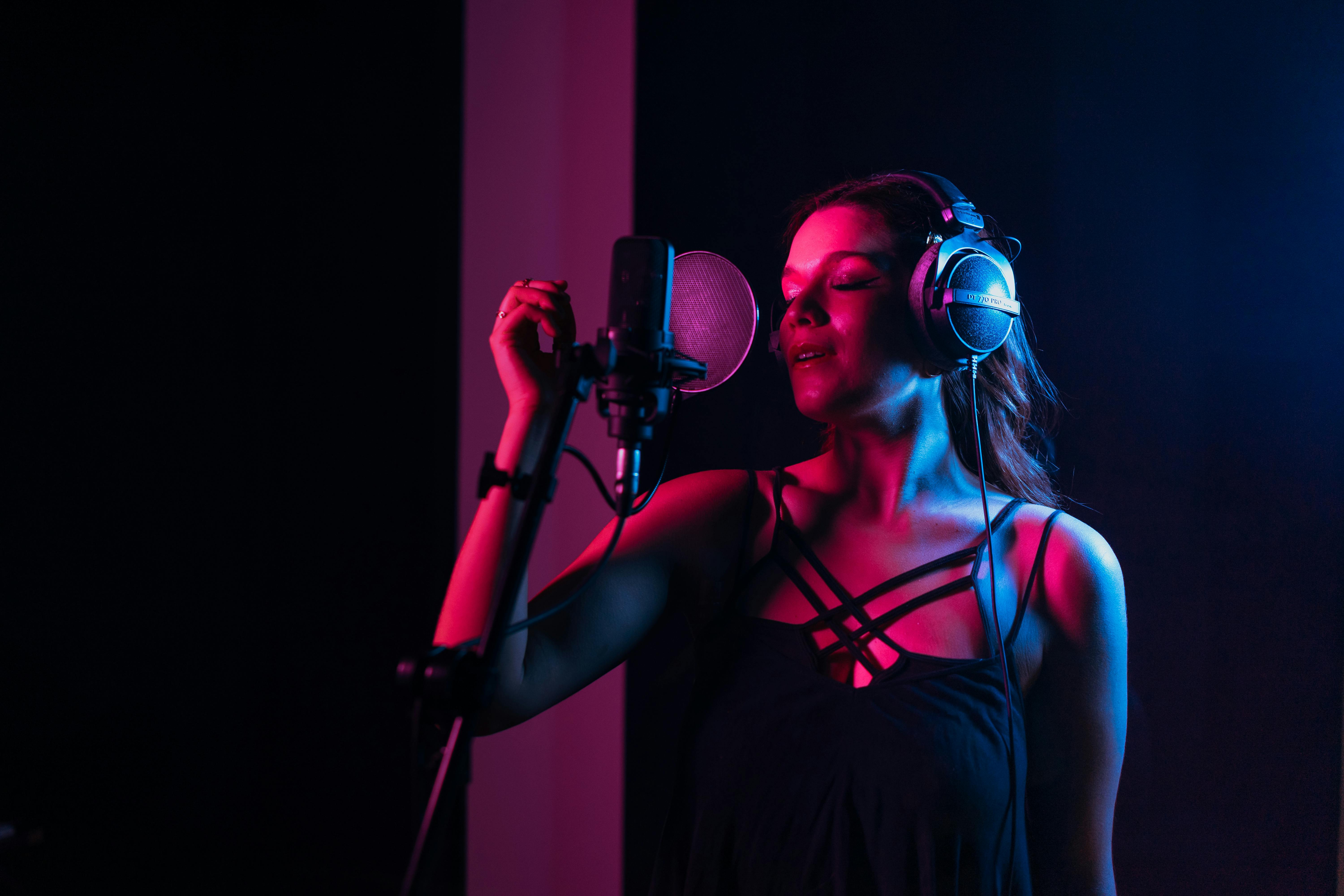
Quality voice acting changes everything. Talented performers treat dubbing as re-performance, not transcription. They reshape tone, pacing, and nuance to deliver equivalent emotional impact in ways that feel authentic to English ears—perhaps softening an edge to keep underlying tension alive, or layering subtle inflections that echo quiet sorrow without making it seem distant. Done thoughtfully, it honors the original's cultural texture while clearing the path for outsiders to connect fully. The stories keep their wild energy, but the friction vanishes; viewers stay glued, unlock more episodes, and the retention numbers climb.
Platforms that prioritize this kind of nuanced work see the difference—stronger engagement, fewer drop-offs, more shares. Cheap, literal, or AI-heavy approaches tend to flatten the experience and lose momentum. As the overseas surge continues—Latin America and Southeast Asia exploding in downloads, the U.S. holding steady as a revenue king—precise, culturally attuned dubbing stands out as the make-or-break factor for reaching and holding global crowds.
For producers and distributors pushing Chinese short dramas into English markets and wanting voice work that actually moves people, Artlangs stands out with real depth. Over 20 years deep in language services, handling 230+ languages, backed by a long-term network of more than 20,000 certified translators and voice collaborators, they focus tightly on video localization, short drama subtitling and dubbing, game adaptations, multilingual audiobooks, and data annotation/transcription. Their history includes projects that have genuinely helped content travel and resonate across borders—the kind of careful, experienced touch these explosive little stories need to keep captivating audiences far from home.




