
Breaking the Bank on Human Dubbing? How AI Delivers Fast, Cheap Localization for Short Web Series – With Real Emotional Tradeoffs
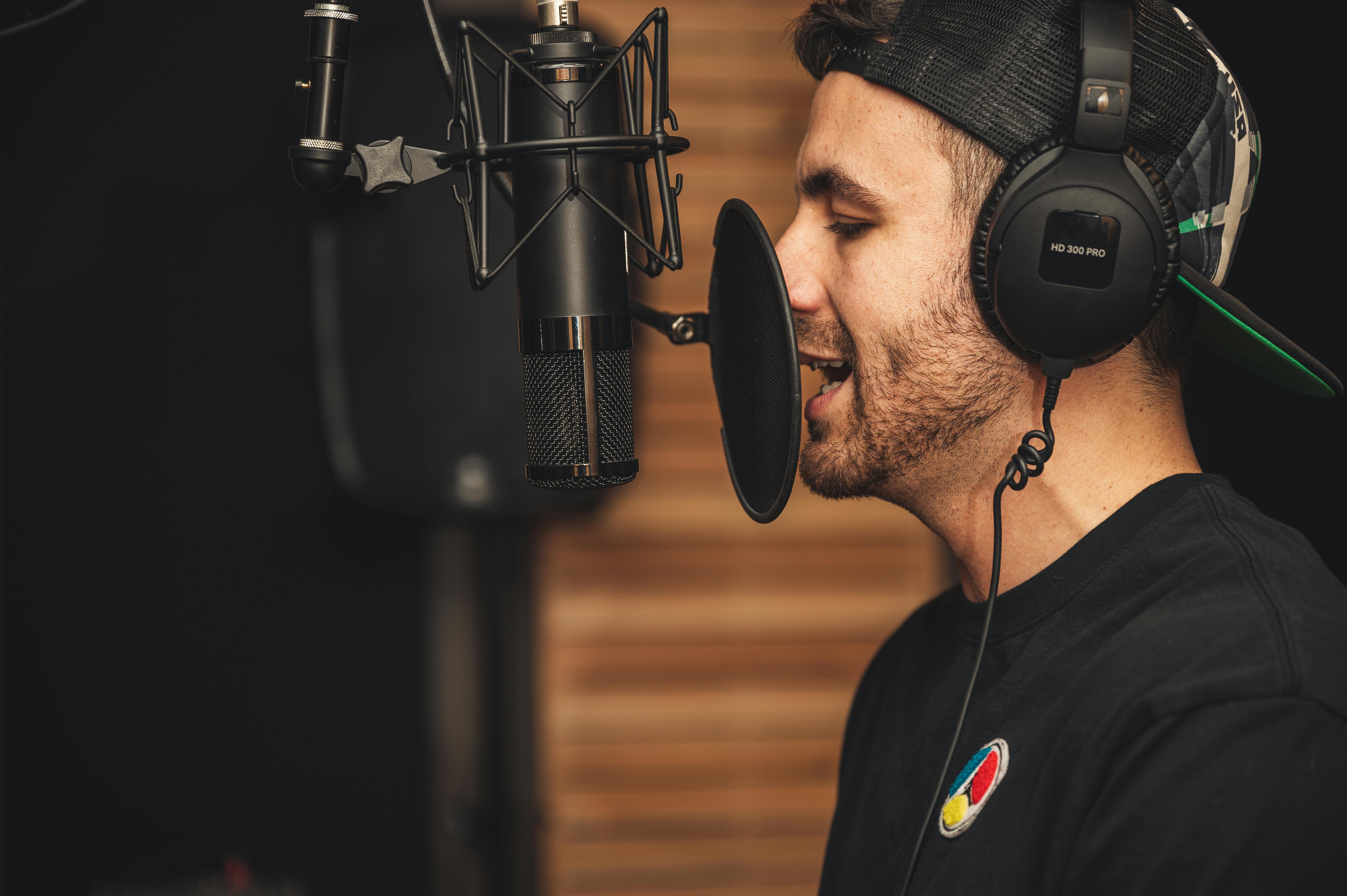
The high cost of human dubbing has long been a major barrier for producers of short web series, especially those churning out episodes at a rapid pace to feed platforms like YouTube, TikTok, or regional streaming services. When you're dealing with dozens—or even hundreds—of bite-sized episodes per month, the traditional approach quickly becomes unsustainable. Human dubbing typically runs $50–$300 per minute (or higher for premium sync work), depending on language pair, cast size, and studio involvement. For a 10-episode series with 5–10 minute installments dubbed into multiple languages, costs can easily climb into the tens of thousands, often making it impossible to justify for high-volume, low-margin content.
AI dubbing flips that equation. Tools like ElevenLabs, Rask AI, HeyGen, and others now deliver per-minute rates as low as $0.1–$1, sometimes even lower with subscription models. Turnaround shrinks from weeks to minutes or hours—perfect for the breakneck release schedules of short dramas. In Southeast Asia and Europe, where short-form series thrive, platforms report that AI cuts localization expenses by 40% or more while enabling same-day global drops. A 2025 case from Swiss media company Collot Baca Media showed Dubformer AI reducing costs by 40% and turnaround from weeks to days, helping them monetize YouTube and FAST channels far more effectively.
Speed alone makes AI compelling for rapid-release series. Human workflows involve script adaptation, casting, studio sessions, direction, and post-production syncing—processes that bottleneck when episodes need to hit daily or weekly. AI handles transcription, translation, voice synthesis, and basic lip sync in near real-time. For creators producing addictive micro-dramas (think titles that rack up millions of views on Douyin or Kuaishou), this means staying ahead of trends and viewer habits without waiting on actor availability.
Yet the real tension lies in emotional delivery. Short web series often rely on heightened drama—jealousy, heartbreak, sudden twists—that demands nuanced performances. Human actors bring subtle inflections, timing pauses, sarcasm, or cultural-specific humor that make characters feel alive and relatable. Viewers notice when a line lands flat or an emotional beat feels off; surveys from localization experts show most audiences still prefer human voices for story-driven entertainment, precisely because AI can sound clear but emotionally hollow. In dramatic scenes, AI might nail pronunciation and pacing but miss the raw vulnerability or tension that turns a good episode into a viral one.
Recent advancements narrow that gap. Platforms like ElevenLabs excel at voice cloning with emotional transfer, preserving original tone across languages. Hybrid models—AI generating initial tracks refined by human linguists or actors—offer a middle ground. Deepdub, for instance, dubbed 85 episodes of a scripted series for MHz Choice in just four months using AI augmented by cultural consultants and voice actors, balancing efficiency with authenticity. For rapid-release formats, pure AI often suffices for plot-heavy content where clarity trumps subtlety, while human touches elevate key emotional climaxes.
The data backs a pragmatic view: AI dubbing slashes costs by 90%+ compared to traditional methods (from $500–$5,000 per video down dramatically), and scales effortlessly across 100+ languages. For producers overwhelmed by volume, it unlocks markets previously out of reach. But for series banking on deep viewer investment, the human edge in conveying genuine feeling remains hard to ignore—though the line blurs faster each year.
If you're navigating this tradeoff and need a partner that masters both worlds, companies like Artlangs stand out. With over 20 years of specialized experience in translation services, video localization, short drama subtitle localization, game localization, short dramas, audiobooks, multilingual dubbing, and data annotation/transcription, Artlangs supports 230+ languages through a network of 20,000+ certified translators in long-term partnerships. They've delivered outstanding results for high-volume multilingual projects, blending human expertise with cutting-edge tools to help creators scale without sacrificing quality or breaking the bank.




